



The Allure and The Risk
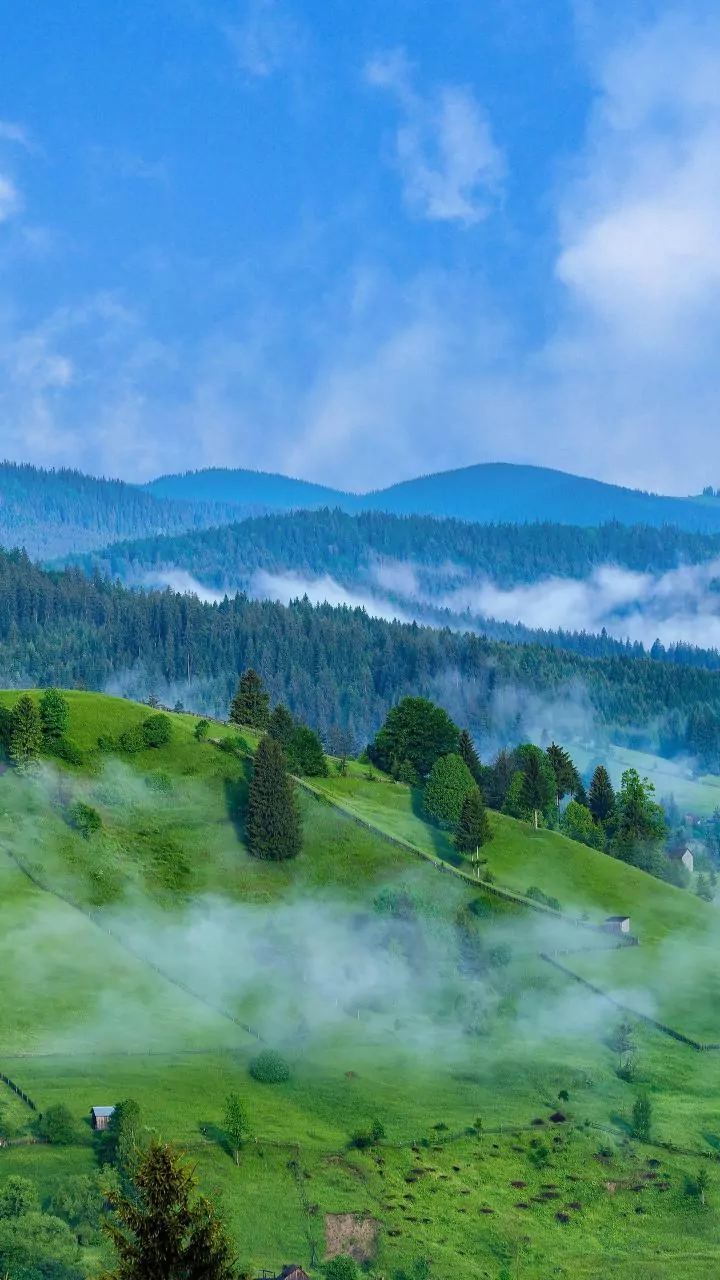
India during the monsoon is a spectacle. From the backwaters of Kerala to the hills of the Western Ghats, the country transforms into a vibrant green paradise. This allure draws countless travellers to the roads for memorable journeys. However, the season
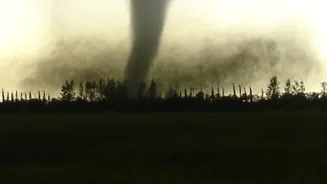
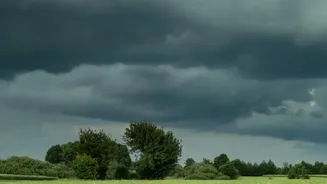
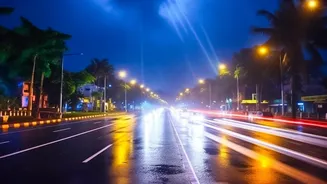
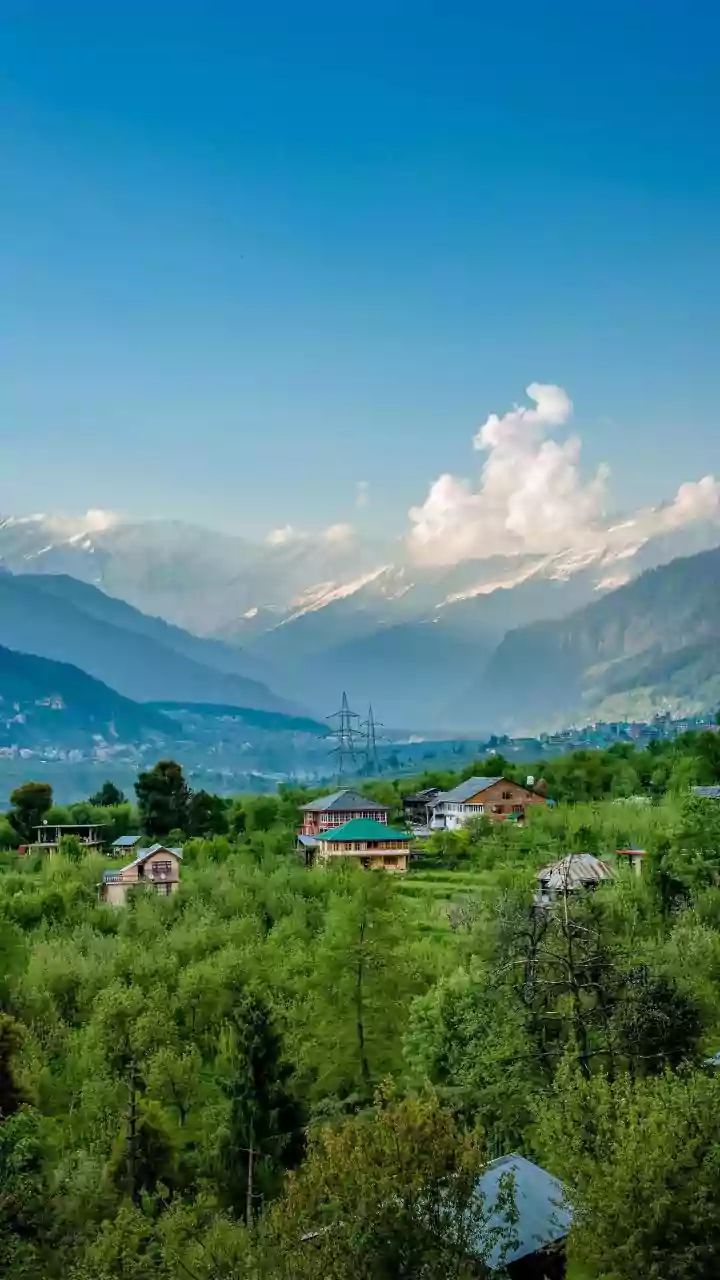
also brings significant hazards. Heavy rainfall can lead to flash floods, waterlogging in cities, and dangerous landslides in hilly regions, turning a dream holiday into a logistical nightmare. Popular tourist routes in states like Himachal Pradesh and Uttarakhand become particularly vulnerable, with saturated slopes posing a real threat. Understanding these risks isn't about cancelling plans, but about making informed decisions to ensure your journey is safe and enjoyable.
Decoding Official Weather Alerts
The India Meteorological Department (IMD) is the official agency for weather forecasting and uses a simple, colour-coded system to issue warnings. Understanding these alerts is the first step to responsible monsoon travel. Green (No Warning): This means all is well and no adverse weather is expected. You can proceed with your plans without concern. Yellow (Be Aware): A yellow alert indicates the possibility of bad weather that could cause disruptions. It’s a signal to stay updated on the forecast and be mindful that conditions might change. Orange (Be Prepared): This is a serious alert for extremely bad weather. Expect potential disruptions to transport—road, rail, and air—and even power cuts. You should be prepared to alter your travel plans. Red (Take Action): The highest level of warning, a red alert indicates extremely severe weather conditions that pose a significant threat to life and property. Widespread disruption is expected, and travel should be avoided.
Your Digital Toolkit for Monsoon Travel
Staying informed is easier than ever with a range of official and private weather apps. Having these on your phone can provide real-time, location-specific information that is crucial for any traveller. MAUSAM: This is the IMD's official app. It provides current weather data, city forecasts, and crucial nowcasts—three-hourly warnings for localised phenomena. UMANG: This government multi-service app integrates IMD services, allowing you to access weather forecasts alongside other official information. Damini: Another IMD app, Damini is specifically designed to provide early warnings for lightning strikes, which are common during monsoons. Private Weather Apps: Services like Skymet Weather, AccuWeather, and Windy are also popular in India, offering detailed forecasts, radar maps, and alerts that can supplement official information.
From Alert to Action Plan
Seeing a Yellow or Orange alert for your destination doesn't automatically mean you must cancel. It means you need a proactive plan. Start by contacting your hotel or resort to ask about local conditions and accessibility. Airlines and railway operators often issue advisories during severe weather, so check their websites. The most important strategy is to build flexibility into your itinerary. Have a Plan B, which could be an alternative destination in a region with a better forecast or simply having buffer days to wait out a severe spell. Driving at night during heavy rain should be avoided, and if you are on the road, maintain a safe distance and drive slowly on slippery roads.
Rethinking, Not Just Reacting
Weather alerts are tools for empowerment. They allow you to shift your perspective from being a passive recipient of weather to an active, informed traveller. Instead of just reacting to a roadblock or a cancelled flight, you can anticipate potential issues and adjust your plans with less stress. This might mean choosing a destination less prone to heavy rainfall, like parts of Rajasthan or Ladakh, which are largely unaffected by the main monsoon. It could also mean packing smarter—with waterproof bags for electronics, quick-drying clothes, and appropriate footwear. By paying attention to forecasts before and during your trip, you can collaborate with the weather, not fight it, ensuring your monsoon journey remains a source of joy.