


The Science of the Season
The connection between the monsoon and mushrooms is pure biology. Fungi thrive in humid, moist conditions. After months of lying dormant as a vast underground network of mycelium, the combination of sustained rain, high humidity (often 80-90%), and moderate
temperatures triggers the organism to fruit. This fruiting body is what we know as a mushroom. The monsoon essentially provides a natural incubator, allowing these fungi to emerge spectacularly, often overnight, carpeting forest floors and grasslands. This seasonal explosion is why wild mushroom foraging is an activity almost exclusively tied to the rainy months across the country.
A Forager’s Map of India
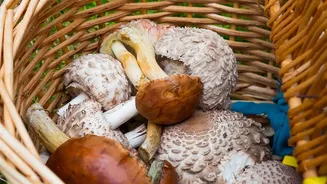
Different regions of India boast their own unique mushroom bounty. In the Western Ghats, particularly Goa and parts of Karnataka and Maharashtra, the prized catch is the Termitomyces, known locally as olmi or alambi. These fascinating mushrooms grow only on or near termite mounds, a symbiotic relationship that makes them impossible to cultivate. Further north, the Himalayan foothills of Himachal Pradesh and Uttarakhand are famed for gucchi, or morel mushrooms, one of the most expensive and sought-after varieties in the world. The forests of Jharkhand and Odisha offer up the Rugda mushroom, often called 'vegetarian mutton' for its unique texture, which is foraged by tribal communities during the rains. The Northeast, with its rich biodiversity, is also a hotspot for various edible fungi.
The Prized Monsoon Bounty
Among the most celebrated monsoon mushrooms are the Termitomyces species. Known as roen olmi in Goa, these mushrooms have a firm texture and a rich, earthy flavour. They are a delicacy, appearing in local markets for only a few weeks each year and fetching high prices. Goan households consider a monsoon incomplete without a traditional olmi xacuti or a simple chilli-fry. Another star is the gucchi (morel mushroom). Though technically a spring mushroom that appears after snowmelt, its foraging season can extend into the early monsoon months in the Himalayas. With its distinctive honeycomb cap, it is prized in gourmet cooking for its deep, savoury flavour.
The Thrill of the Hunt
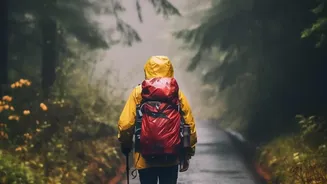
Beyond the culinary rewards, foraging is about connecting with nature. It’s a slow, observant activity that requires you to notice the subtle signs of the forest. Increasingly, organised mushroom foraging walks are becoming popular in regions like Kasol, Auroville, and even in the urban forests of Delhi. Led by mycologists and local experts, these walks teach participants how to identify different species, understand their role in the ecosystem, and appreciate the traditional knowledge held by indigenous communities who have been foraging for generations. It's an opportunity to learn that food doesn't just come from a store, but from the earth itself.
A Forager's First Rule: Absolute Safety
While the allure of finding your own food is strong, wild mushroom foraging carries significant risks. Many edible species have poisonous look-alikes, and a mistake can be serious, even fatal. The cardinal rule of foraging is simple: never eat a mushroom unless you are 100% certain of its identification. There are no shortcuts or simple tests to distinguish safe from toxic. The only safe approach is to learn from an expert. Never rely solely on apps or books. When trying a new, positively identified mushroom for the first time, always cook it thoroughly and eat only a small amount to check for any personal adverse reaction. The motto of every experienced forager is: "When in doubt, throw it out."