



The Parisian Price Point
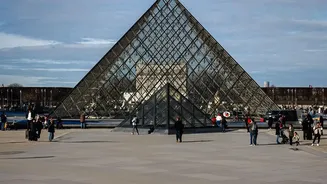
A trip to Paris is often synonymous with visits to its world-famous museums. While these institutions are undeniably magnificent, the entrance fees can quickly add up, especially for international visitors. As of 2026, a standard ticket to the Louvre
for a non-EEA visitor is €32. A trip to the Musée d'Orsay will set you back another €16. Add in other must-sees, and a family of four could easily spend over a hundred euros on museum entries in a single day. These costs, combined with the notoriously long queues and dense crowds, can sometimes detract from the magic of the experience, leaving travellers feeling drained and their wallets significantly lighter.
The Regional Value Proposition
Now, imagine a different approach. Instead of focusing solely on the capital, you could explore the cultural treasures scattered throughout France's other cities and regions. The financial benefit is immediate and significant. For instance, a ticket to the acclaimed Palais des Beaux-Arts in Lille, considered the largest fine arts museum in France outside of Paris, costs just €7. Many excellent municipal museums in cities like Marseille offer free access to their permanent collections year-round. This shift in spending doesn't just save money; it offers a different kind of value. Regional museums often provide a more intimate and relaxed viewing experience, with fewer crowds and a unique focus on local history, specific artistic movements, or singular collections you won't find anywhere else.
Cultural Gems Beyond the Capital
France's regional cities are home to world-class institutions. In Lyon, the Musée des Beaux-Arts houses one of the country's most important art collections, from ancient Egyptian artifacts to modern masterpieces. Marseille boasts the striking Mucem (Museum of Civilizations of Europe and the Mediterranean), with an entrance fee of around €11, and the Cosquer Méditerranée, a stunning replica of a submerged prehistoric cave. In Lille, the Palais des Beaux-Arts features works by Goya, Rubens, and Delacroix. Further south, the French Riviera is dotted with museums dedicated to artists who lived and worked there, such as the Musée Matisse and Musée Marc Chagall in Nice and the Musée Picasso in Antibes. Each offers a deep dive into art and history for a fraction of the cost of their Parisian counterparts.
A Case Study in Savings
Let's put this strategy into practice. A couple visiting from outside the EEA could spend €64 on Louvre tickets alone. For the same price, they could both visit the Palais des Beaux-Arts in Lille (€14 total), the Mucem in Marseille (€22 total), and the Musée des Beaux-Arts in Lyon (where the permanent collection could be free or low-cost), with money left over for a good meal. By swapping just two major Parisian museums for three excellent regional ones, they not only diversify their cultural experience but also unlock significant savings that can be redirected toward accommodation, food, or travel between cities. It’s a powerful demonstration of how a broader itinerary can lead to a more budget-friendly and arguably more varied trip.
More Smart Museum Strategies
Exploring regional museums is just one way to save. Across France, many national museums offer free admission on the first Sunday of each month, though you should expect large crowds and book a time slot in advance. For those concentrating on Paris, the Paris Museum Pass can offer value if you plan to visit many sites in a short period. A 2-day pass in 2026 costs around €85-€110, and a 4-day pass is around €105-€129, so it's essential to do the math based on your itinerary to see if it's worthwhile. Also, keep an eye out for visitors under 18 or EU residents under 26, who often get free entry to national museums. Always check the museum's official website for the most current pricing and free-entry rules before your visit.