



The Science of October Heat
First, let's understand the baseline phenomenon. 'October Heat' marks the transition period after the southwest monsoon withdraws. During this time, the cloud cover that shielded the city for months dissipates, leading to more direct and intense sunlight.
At the same time, the ground and atmosphere are still saturated with moisture from the preceding rainy season. This combination of high humidity and soaring temperatures creates an intensely uncomfortable, 'sticky' heat, as sweat doesn't evaporate efficiently to cool the body. It is a natural, seasonal shift, but one that is being dangerously amplified.
The Urban Heat Island Effect
The primary culprit environmentalists point to is the Urban Heat Island (UHI) effect. In simple terms, cities become 'islands' of heat, significantly warmer than the surrounding rural areas. This happens because urban surfaces like concrete, asphalt, and glass absorb and retain far more solar radiation than natural landscapes like forests and fields. Studies in Mumbai have shown that densely built-up areas can be several degrees hotter than greener parts of the city. This stored heat is then slowly released, particularly at night, preventing the city from cooling down and leading to higher average temperatures. One 25-year study found nighttime temperatures in some parts of Mumbai have risen by up to 5°C.
A City of Concrete and Glass
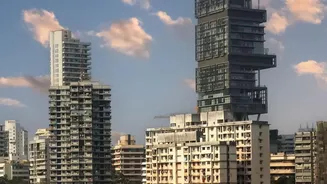
Mumbai's relentless vertical and horizontal expansion is at the heart of the issue. A study tracking changes between 1991 and 2018 found that Mumbai lost 40% of its green cover while built-up areas increased by 66%. Every new skyscraper, concrete road, and paved surface replaces a piece of land that would have otherwise helped regulate temperature. These materials act like a massive heat sink. During the day, they soak up the sun's energy, and after sunset, they radiate that heat back into the air. This process is exacerbated by the 'urban canyon effect', where tall buildings trap heat and block winds that could otherwise provide cooling.
The Disappearing Green Lungs
The loss of green spaces is a critical factor. Trees, parks, and especially mangroves, are the city's natural air conditioners. They provide shade and cool the air through a process called evapotranspiration. Yet, massive infrastructure projects have led to a significant loss of this vital green cover. For instance, thousands of trees have been removed for projects like the Mumbai Metro and the Coastal Road. The city's precious mangrove forests, which act as a crucial buffer against flooding and store vast amounts of carbon, have been severely depleted by urbanization, with studies showing a loss of about 40% in past decades. Losing these green lungs means losing the city's inherent ability to cool itself.
Blocking the Breeze and Adding More Heat
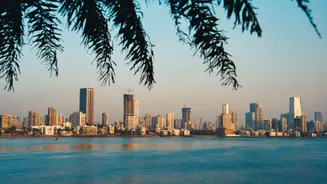
Mumbai's geography should be an advantage, with the Arabian Sea offering a cooling sea breeze. However, the dense wall of high-rise buildings along the coast can obstruct or weaken these winds, preventing cooler air from penetrating deeper into the city. Furthermore, the city itself generates its own heat. The sheer number of vehicles, industrial activities, and air conditioning units all release waste heat directly into the atmosphere, adding another layer to the urban heat island. This combination of retaining solar heat, losing natural cooling mechanisms, and generating artificial heat creates a perfect storm for the intense October conditions Mumbaikars now experience.