


Beyond the World’s Hottest Chilli
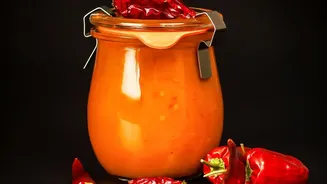
When people think of Northeastern food, the Bhut Jolokia, or ghost pepper, often comes to mind first. Its legendary heat has made it a global sensation. While it’s certainly part of the story, a much richer and more diverse palette of ingredients is now
making its way into the nation's cafés and restaurants. Chefs are looking past the pepper to explore a treasure trove of flavours that have been staples in the Northeast for centuries. Ingredients like the high-curcumin Lakadong turmeric from Meghalaya, known for its vibrant colour and potent flavour, are adding a new dimension to everything from lattes to curries. Similarly, aromatic Joha rice from Assam is being used in innovative dishes like risotto, offering a fragrant alternative to traditional Arborio. This shift signals a growing appreciation for the depth and variety of India's regional produce.
A New Palette for Fusion Cooking
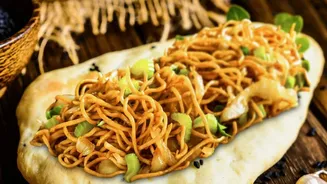
The real magic is happening in the fusion. Creative chefs are not just serving traditional Northeastern dishes; they are integrating these ingredients into familiar formats, creating exciting new culinary experiences. Imagine a burger with a smoky Bhut Jolokia-infused mayonnaise, chocolate gelato with a hint of ghost pepper, or a comforting bowl of black rice pudding (chak-hao). Fermented ingredients, a cornerstone of Northeastern cuisine, are also getting a modern makeover. Axone (fermented soybean) and fermented bamboo shoots, known for their distinct, pungent, umami-rich flavours, are being used to create complex sauces and curries that pair beautifully with pork and fish. These are not just novelties; they are thoughtful combinations that introduce diners to new flavour profiles in an accessible way, moving Northeastern food from 'exotic' to an exciting part of the modern Indian menu.
What’s Driving the Trend?
Several factors are fuelling this culinary shift. An increasing number of chefs and food entrepreneurs from the Northeast are proudly showcasing their heritage in cities like Delhi, Mumbai, and Bengaluru, acting as cultural ambassadors for their cuisine. They are challenging stereotypes and educating diners about the nuances of their food beyond just spice. Furthermore, as urban Indians travel more within the country, they are developing more adventurous palates and a genuine curiosity for authentic, regional experiences. Social media and food bloggers have played a significant role in amplifying this interest, bringing once-hidden dishes and ingredients into the spotlight. There's also a growing wellness trend that aligns perfectly with the principles of many Northeastern cuisines, which often involve minimal oil, fresh herbs, and techniques like steaming and smoking.
From Niche to Celebrated
This trend is more than just about food; it's about cultural recognition and rewriting culinary maps. For decades, the understanding of Northeastern food in many parts of India was limited to a few dishes like momos. The current movement is breaking down these barriers, fostering a deeper appreciation for the region's rich biodiversity and culinary traditions. Ingredients like black sesame, used as a gravy base, or tangy bamboo shoots are becoming celebrated elements that add complexity and a sense of place to a dish. By appearing on urban menus, these ingredients are telling a new story—one where regional Indian flavours are not just preserved but are seen as dynamic, modern, and essential to the evolving identity of Indian food.