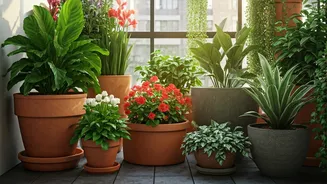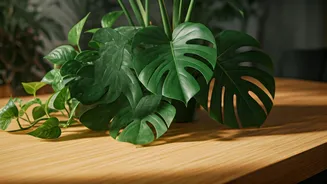




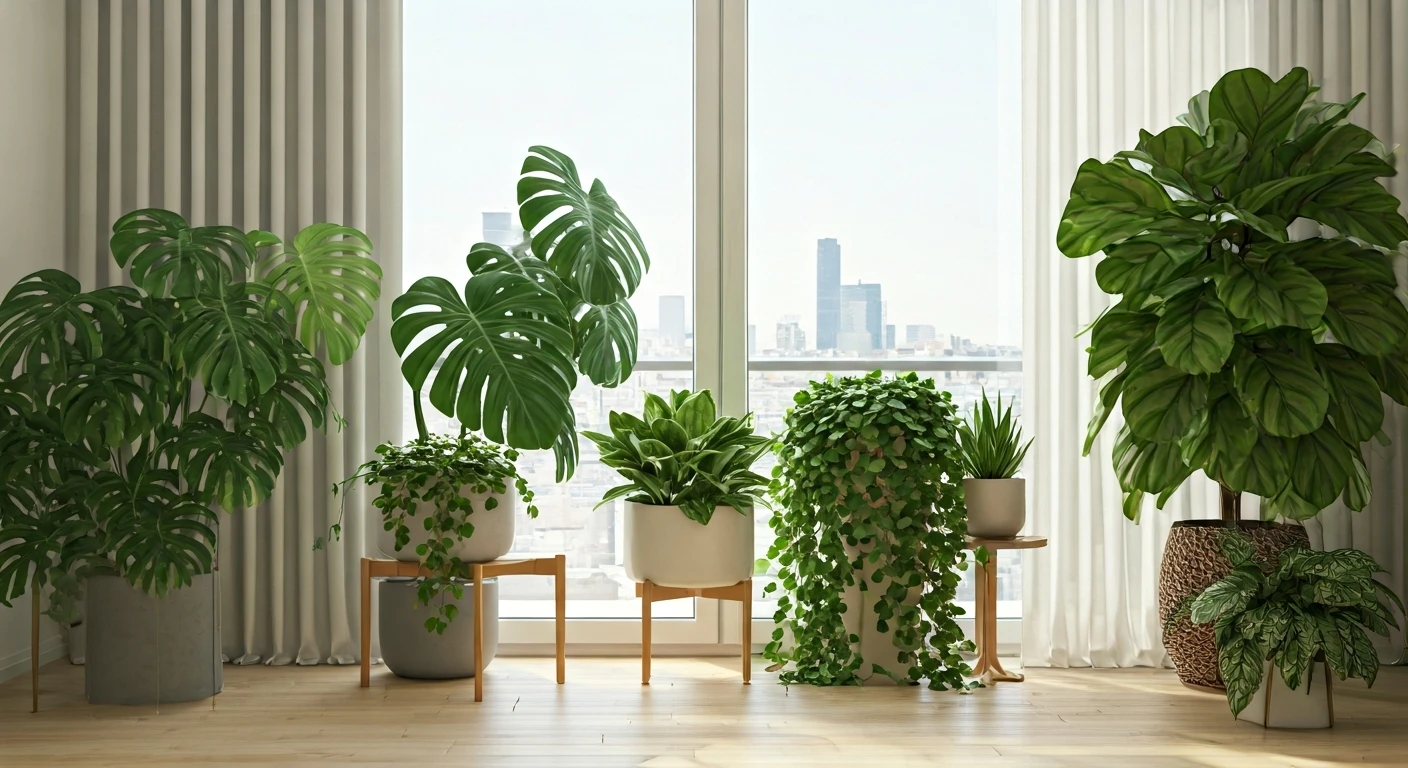
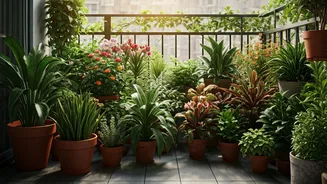


Choosing Your First Green Friends
The journey to a green home begins with selecting the right plants. Not all plants are created equal, and for beginners, it’s wise to start with varieties known for their resilience. Think of them as the training wheels of plant parenthood. In the Indian
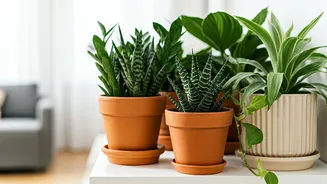
climate, some of the most forgiving options include the Snake Plant (Sansevieria), which tolerates low light and infrequent watering; the ZZ Plant (Zamioculcas zamiifolia), which is virtually indestructible; and the classic Money Plant (Epipremnum aureum), which thrives in a range of conditions and tells you when it’s thirsty by drooping slightly. Before you buy, consider the light in your home. Does a spot get bright, indirect sunlight for most of the day, or is it a shadier corner? Matching the plant to the available light is the first and most crucial step towards success.
The Foundation: Potting and Soil
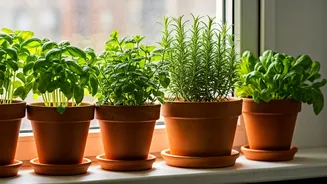
A plant is only as healthy as its roots, and roots need the right environment. Choosing a pot with drainage holes at the bottom is non-negotiable. This prevents water from logging at the base, which is the leading cause of root rot—a common killer of houseplants. Terracotta pots are excellent as they are porous and allow soil to dry out evenly, but any pot with drainage will do. When it comes to soil, you don’t need a complicated recipe. A basic, well-draining potting mix is perfect for most indoor plants. You can easily create your own by mixing equal parts garden soil, cocopeat (which retains moisture), and compost (for nutrients). This simple blend provides the perfect balance of aeration, moisture retention, and food for your new green companion.
Watering: The Most Common Mistake
The single biggest mistake new plant owners make is overwatering. We often kill our plants with kindness, assuming more water is always better. The key is to water only when the plant needs it, not on a fixed schedule. The best way to check is the classic finger test: stick your index finger about an inch or two into the soil. If the soil feels dry, it’s time to water. If it’s still moist, wait a few more days and check again. When you do water, do it thoroughly until water runs out of the drainage holes. This ensures the entire root ball gets a drink. Then, allow the soil to dry out to the appropriate level before watering again. Forgiving plants like the Snake Plant and ZZ Plant would much rather be too dry than too wet.
Let There Be Light (But Not Too Much)
Light is food for plants. Understanding the light in your home is crucial. Most popular houseplants thrive in 'bright, indirect light'. This means a spot near a window where the sun’s rays don't fall directly on the leaves, which can cause them to scorch. An east-facing window that gets gentle morning sun is often perfect. Some plants, like the Cast Iron Plant or the aforementioned Snake Plant, are champions of 'low light' conditions, making them ideal for darker corners or rooms with north-facing windows. Others, like succulents and cacti, crave several hours of direct sun. Observe the light in your space throughout the day and place your plants accordingly. You can always move them around if they don't seem happy.
Beyond the Basics: Feeding and Pest Control
While soil provides initial nutrients, your plants will benefit from a little extra food during their growing season (typically spring and summer). You don't need expensive fertilisers. A simple, balanced liquid fertiliser diluted to half-strength and used once a month is plenty. Alternatively, you can top up the soil with a layer of compost every few months. As for pests, the best defence is a good offence. Regularly inspect your plants, especially the undersides of leaves and where the stem meets the soil. Common pests like mealybugs and spider mites can often be handled by simply wiping them away with a cotton swab dipped in a neem oil solution. Catching these issues early prevents a small problem from becoming an infestation.
The Wellness Bonus: More Than Just Decor
The benefits of indoor plants extend far beyond their aesthetic appeal. The act of caring for a living thing can be incredibly mindful and therapeutic, helping to reduce stress and anxiety. While you'd need a veritable jungle to significantly purify the air, studies have shown that plants do help filter common indoor pollutants. More importantly, they connect us to the natural world, which can have a profound effect on our mood and overall well-being. Watching a new leaf unfurl is a small, quiet joy that brings a unique sense of accomplishment and peace. Your green home becomes a healthier home, not just for the plants, but for you as well.