






Fortify Your Home
Your home is your primary shelter, but the constant dampness can lead to problems like leaks, mould, and electrical issues. Before the downpours intensify, inspect your roof and walls for any cracks and seal them with waterproof compounds. [3, 15, 18]
Peeling paint is often a tell-tale sign of seepage. [13] Ensure your drainage systems, including gutters and pipes, are clear of debris to prevent waterlogging around your property. [8, 13] Inside, control humidity to protect furniture and prevent mould growth by using dehumidifiers or even silica gel packets in cupboards. [4, 13] It's also wise to have an electrician check for any exposed wiring and to use surge protectors for valuable appliances, as power fluctuations are common during storms. [6, 16]
Upgrade Your Commute
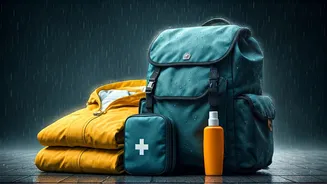
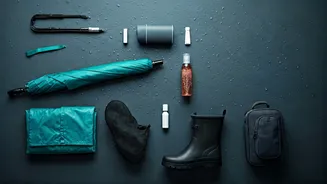
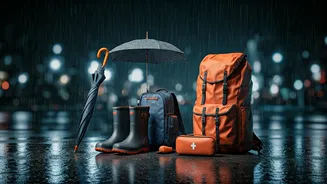
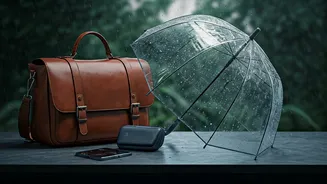
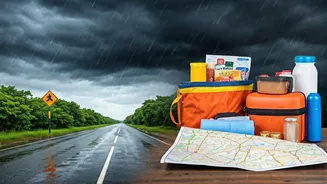
Navigating roads during the monsoon requires extra preparation. For your vehicle, the essentials are good tyres with deep treads, effective brakes, and new wiper blades for clear visibility. [5, 7, 12] Applying a wax polish before the season starts can add a protective layer to your car's paint. [7, 11] If you're on a two-wheeler or walking, a high-quality raincoat and waterproof footwear with good grip are non-negotiable. [23, 27] A sturdy, wind-proof umbrella and a waterproof backpack or cover are also crucial for protecting yourself and your belongings, especially laptops and documents, from sudden showers. [22, 23]
Safeguard Your Health
The monsoon brings a higher risk of water-borne and vector-borne diseases. [2] The most critical step is to prevent mosquitoes from breeding by eliminating any stagnant water around your home. [2, 10, 17] Using mosquito nets and repellents is also advised, especially during peak hours. [14] Personal hygiene becomes paramount; wash your hands frequently, especially before eating. [2, 17] Boost your immunity by eating freshly cooked, warm meals and avoiding street food, which can be easily contaminated. [14, 17] Always drink boiled or filtered water, and carry your own water bottle when outside to be safe. [17, 21]
Protect Your Tech
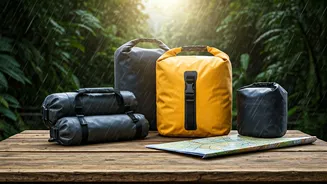
High humidity is the enemy of electronics, causing corrosion and short circuits even without direct water contact. [4] Keep your gadgets like smartphones, laptops, and cameras in a dry, well-ventilated space. [6] When you're on the move, store them in waterproof pouches or even simple zip-lock bags for protection. [20, 24] It's a good practice to unplug devices during heavy thunderstorms to shield them from power surges caused by lightning. [6, 19] Given the possibility of power cuts, a fully charged power bank is an absolute essential to keep your communication lines open. [4, 23]
Rethink Your Wardrobe
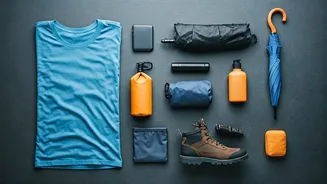
The clothes you wear can significantly impact your comfort during the humid monsoon months. It's time to pack away the heavy denims and opt for lightweight, breathable fabrics like cotton, linen blends, and quick-dry materials that won't feel heavy or take forever to dry. [22, 24] Synthetic fabrics and lighter layers are a practical choice. [22] To combat the musty smell that often accompanies damp clothes, ensure your wardrobe is well-ventilated and consider placing moisture absorbers like silica gel packs or camphor balls inside. [13]