





The Paradox of a Dying Lifeline
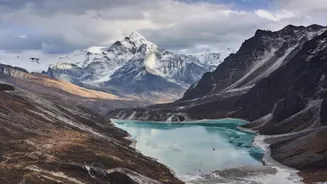
For centuries, communities in the trans-Himalayan region have depended on a predictable rhythm. Glaciers, vast stores of frozen water, would melt slowly in the spring and summer, feeding the streams that irrigate barley and wheat fields. This ancient
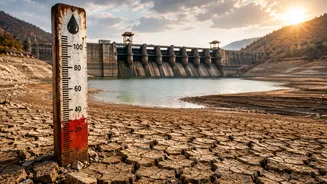
cycle is now broken. Rising global temperatures are causing glaciers to retreat at an alarming rate. The cruel irony is that this doesn't mean more water when it's needed. Instead, glaciers melt too fast and too early in the season, leading to flash floods in winter and severe water scarcity during the crucial spring sowing season. By April and May, when farmers need water most, the streams often run dry, threatening livelihoods and forcing families to abandon their ancestral homes.
An Idea Born from Observation
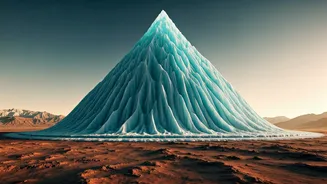
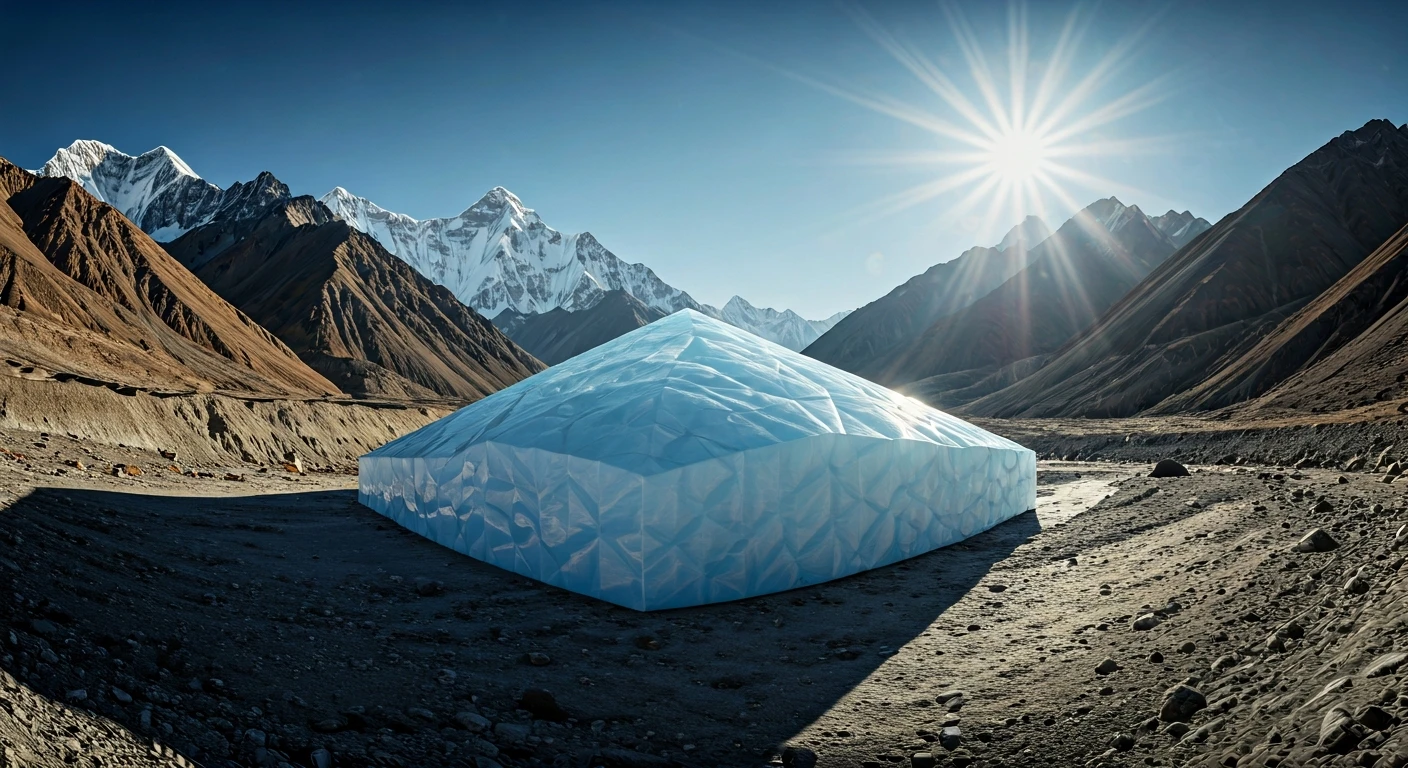
The solution came from a simple observation by Ladakhi engineer and innovator Sonam Wangchuk. He noticed that ice, even in the bright Ladakhi sun, could survive well into the spring if it was shaded from direct sunlight. He theorised that if you could create a large enough mass of ice in the right shape, it could act as a miniature, man-made glacier, releasing water precisely when it was needed. The idea was to capture the abundant water that flows unused down the streams during the harsh winter months and store it for the spring. This led to the birth of the 'ice stupa'—a cone-shaped mountain of ice named for its resemblance to the sacred Buddhist monuments that dot the Ladakhi landscape.
How to Build a Glacier
The engineering behind an ice stupa is remarkably simple and relies on basic physics, making it replicable and sustainable. A pipeline is laid from a water source high upstream, often a glacial stream. During the winter, when temperatures drop well below freezing (from -10°C to -20°C), the water is channelled through this pipe down to the village. The key is gravity and the difference in elevation. The water flows down the pipe and is then sprayed out of a vertical sprinkler. As the fine droplets hit the freezing air, they turn to ice and fall to the ground. Over weeks, this process builds a massive, conical structure of ice that can reach heights of 30-50 metres. The conical shape is strategic: it minimises the surface area exposed to the sun, ensuring the ice melts very slowly.
Water When It's Needed Most
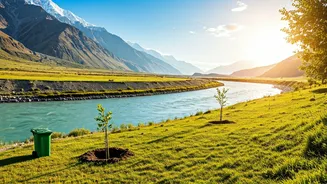
The magic of the ice stupa happens in the spring. As the sun gets stronger and temperatures rise, the cone begins to melt. But because of its shape and volume, it doesn't vanish overnight. It releases a steady, manageable trickle of water from April through June, the exact period when farmers are sowing their seeds and need to irrigate their fields. A single large ice stupa can hold millions of litres of water, enough to irrigate several hectares of land and support an entire village through the critical planting season. The first prototype in 2013-14 successfully supplied 1.5 lakh litres of water to a grove of 5,000 newly planted saplings.
A Symbol of Hope and Adaptation
Ice stupas are more than just a clever feat of engineering; they are a powerful symbol of climate adaptation and community resilience. These projects are often built by the villagers themselves, fostering a sense of ownership and collective action. They provide a tangible way for communities on the front lines of climate change to fight back and secure their own future. The initiative has become a movement, with projects now spreading to other parts of the Himalayas and even being trialled in the Swiss Alps. For many villages, the appearance of an ice stupa on the horizon is not just a promise of water, but a reason to stay, to cultivate their land, and to keep their culture alive.