


The Warmth of Tradition
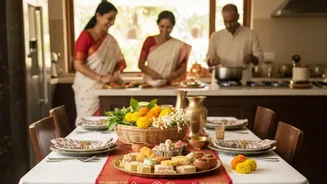
Winter food across India is designed with a singular purpose: to provide warmth, comfort, and nourishment. These are not everyday meals; they are special preparations deeply intertwined with the season's rhythm. From the ingredients used to the cooking
methods employed, winter cuisine tells a story of survival, celebration, and community. Slow cooking, for instance, is a common thread, allowing complex flavours to develop while filling homes with heat and irresistible aromas. These dishes often use seasonal produce that is only available for a few months, making them an anticipated annual ritual rather than a daily staple. Following the trail of these foods is to follow the story of a region's relationship with its land and climate.
A Journey North to Kashmir
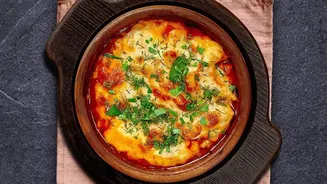
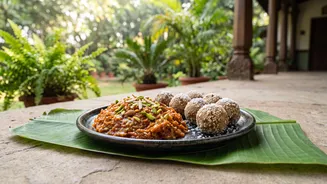
In the snow-clad valleys of Kashmir, winter demands rich, hearty fare. The legendary Wazwan, a multi-course feast, features prominently, with dishes like the velvety Gushtaba—meatballs cooked in a yogurt-based gravy—offering a perfect, warming conclusion. This cuisine is a testament to the region's history, with culinary techniques passed down through generations of 'wazas' or master chefs. The emphasis is on slow-cooked meats and aromatic spices like saffron and cardamom that do more than just flavour the food; they generate internal heat. To eat winter food in Kashmir is to partake in a tradition of communal gathering, where families and friends share elaborate meals to brave the cold together.
Harvest Trails of the West
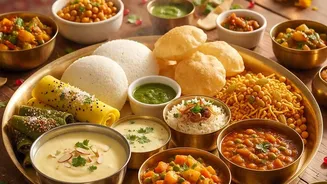
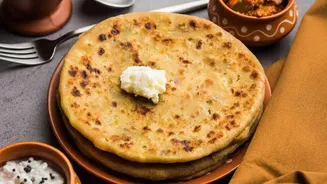
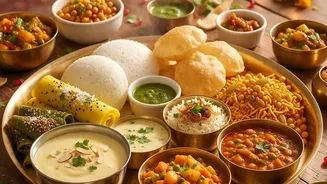
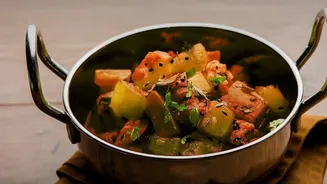
Further south, the winter culinary trail leads to the fields of Punjab and Gujarat, where the season is synonymous with harvest. In Punjab, the iconic pairing of 'Sarson da Saag' and 'Makki di Roti' is more than a meal; it's a celebration of the mustard crop. This vibrant green dish, slow-cooked for hours and enriched with ghee, is a taste of the region's agricultural soul. In Gujarat, winter brings 'Undhiyu', a mixed vegetable casserole that is a culinary event in itself. Its name, meaning 'upside down', refers to the traditional method of cooking it underground in sealed earthenware pots. Packed with winter vegetables like 'surti papdi' (green beans) and root vegetables, it is a tribute to the seasonal bounty.
The Sweetness of Bengal
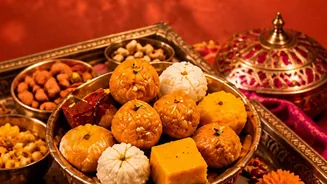
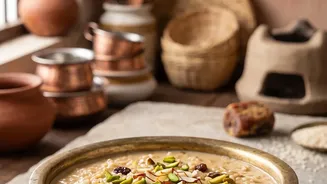
No winter food trail is complete without a journey east to West Bengal, where the season is heralded by the arrival of 'Nolen Gur' or date palm jaggery. This liquid gold, with its smoky, caramel-like flavour, is a fleeting delicacy harvested only during the winter months. An entire cottage industry and a universe of sweets revolve around it. From the delicate 'Sandesh' infused with its aroma to the festive 'Joynogorer Moa', a puffed rice sweet available only in winter, Nolen Gur is the soul of Bengali winter desserts. The process of tapping the date palm trees and boiling the sap into jaggery is a craft in itself, representing a deep, sweet connection to the region's ecology.
More Than Just a Meal
These food trails are not just about gastronomy; they are about experiencing living history. Each dish carries the memory of agricultural cycles, trade routes, and community celebrations. They are recipes perfected over centuries, designed to nourish and comfort using what the land provides. When you follow these culinary paths, you are not just a tourist but a participant in a cultural tradition. You connect with the farmers who grow the produce, the artisans who craft the ingredients like Nolen Gur, and the families who have kept these recipes alive. It's a form of travel that engages all the senses and offers a profound understanding of a place and its people.