




The Soaring Demand
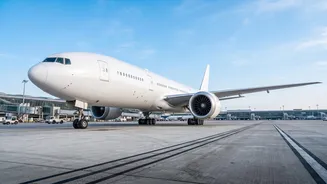
Speaking to reporters, Union Minister for Commerce and Industry Piyush Goyal outlined the colossal demand facing Indian aviation. He noted that while domestic carriers like IndiGo, Air India, and Akasa Air have already placed orders for over 1,200 aircraft,
the total requirement surpasses 2,000 planes. This indicates that airlines are preparing to order at least 1,000 additional aircraft to meet future needs. The statement, made during a visit to Egypt, underscores the government's awareness of an acute fleet shortage as passenger numbers continue to climb. Goyal mentioned that the government is actively pushing manufacturers like Boeing and Airbus to expedite deliveries to close this widening gap between supply and demand.
Drivers of Unprecedented Growth
This projection is not just a headline number; it's a reflection of deep-seated economic and demographic shifts. India is on track to become the world's third-largest aviation market. Forecasts from manufacturers and consultancies paint a consistent picture of explosive growth. Boeing's Commercial Market Outlook projects that South Asia, with India as the dominant player, will need nearly 3,300 new airplanes by 2044, with the region's fleet nearly quadrupling. Similarly, Airbus forecasts that India's domestic air traffic will grow at 9.3% annually, the fastest among major economies. This surge is fueled by a burgeoning middle class with greater disposable income, a national shift from rail to air travel, and government policies like the UDAN scheme promoting regional connectivity.
Airlines on a Buying Spree
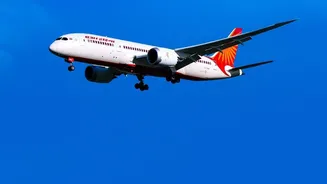
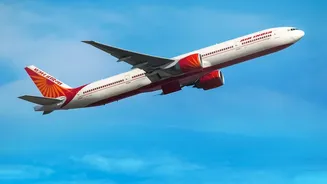
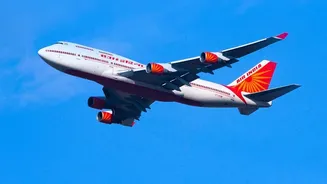
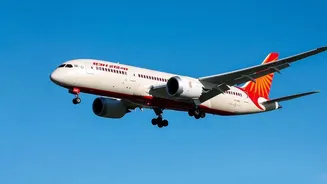
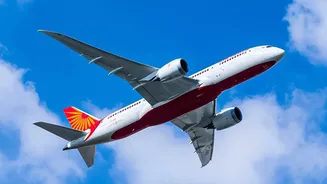
Indian airlines are already acting on these forecasts with historic order books. Air India's landmark order for 570 aircraft from both Airbus and Boeing in 2023 is a clear signal of its aggressive expansion plans. The airline expects to induct a new wide-body aircraft every six weeks throughout 2026 and 2027. Low-cost carrier IndiGo, the nation's largest airline, and the newer Akasa Air have also placed substantial orders. These moves are intended to build capacity for both domestic dominance and greater international reach. The expansion is so rapid that Air India Group, when including its narrow-body deliveries, will be adding a new aircraft to its fleet approximately every six to seven days.
The Bottlenecks Ahead
While the demand is clear, the path to acquiring 2,000 new planes is fraught with challenges. Global supply chain constraints and manufacturing backlogs at both Airbus and Boeing mean airlines are facing long waits. Some delivery schedules for existing orders extend as far out as 2034. Beyond acquiring the jets, the ecosystem around them needs to scale at an unprecedented rate. According to industry estimates, this fleet expansion will require India to find and train tens of thousands of new pilots, technicians, and cabin crew members over the next two decades. Furthermore, the maintenance, repair, and overhaul (MRO) sector will need to triple in size to service the massive new fleet, growing into a market worth over USD 9 billion.
More Than Just Planes
This massive aircraft requirement is about more than just flying; it's a core component of India's economic ambitions. The push for fleet expansion is intertwined with the 'Make in India' initiative. Both Boeing and Airbus are significantly increasing their sourcing of components from Indian suppliers, with combined annual procurement already reaching nearly $3 billion. This growth is creating a new class of high-performing aerospace manufacturing stocks in the country. The government is also working to establish a robust aircraft leasing and financing hub within India, particularly in GIFT City, to provide domestic solutions for this capital-intensive industry. Ultimately, expanding the fleet is seen as crucial for strengthening India's global connectivity, boosting tourism, and solidifying its position as a major economic power.