





The Problem of the Urban Heat Island
If you've ever felt a blast of heat radiating from a road long after sunset, you've experienced the urban heat island effect. Cities are often several degrees warmer than surrounding rural areas because their surfaces—roads, pavements, and buildings—absorb
and retain the sun’s energy. Traditional dark asphalt, which covers up to 40% of the surface in some cities, is a primary offender, absorbing as much as 95% of the sunlight that hits it. This stored heat is then slowly released, warming the air, increasing demand for air conditioning, and contributing to public health challenges during heatwaves.
What Are Cool Pavements?
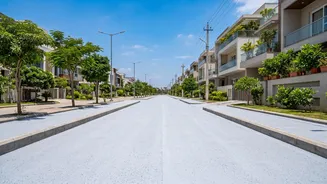
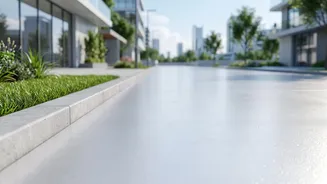
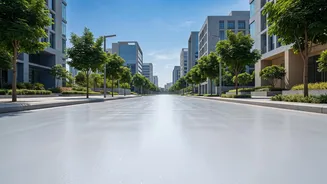
Cool pavements are surfaces designed to stay cooler than conventional ones by reflecting more sunlight and absorbing less heat. The key principle is 'albedo,' which is a measure of a surface's reflectivity on a scale from 0 to 1. A freshly paved black asphalt road has a very low albedo, while a light-coloured, reflective surface has a high one. These pavements can be made from naturally reflective materials like concrete, or by applying a special reflective coating to existing asphalt. These coatings, often just a few millimetres thick, act like a protective shield for the road.
How They Lower Temperatures
The science is straightforward: by reflecting more solar radiation back into the atmosphere, the pavement itself doesn't get as hot. Studies have shown this can make a significant difference. In pilot projects, such as those in Phoenix, Arizona, cool pavement surfaces were found to be up to 12°F (about 6.7°C) cooler than traditional asphalt during the hottest parts of the day. This reduction in surface temperature helps to cool the ambient air temperature, especially when deployed at scale. A comprehensive study in Los Angeles found that reflective pavements reduced air temperatures by as much as 3.5°F (nearly 2°C) during an extreme heat event.
Beyond Cooling: The Added Benefits
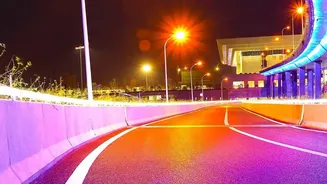
The advantages of cooler streets extend beyond just feeling more comfortable. Lower ambient temperatures mean less demand for air conditioning in nearby buildings, leading to energy savings and reduced greenhouse gas emissions. Cooler surfaces also slow the chemical reactions that form smog, potentially improving urban air quality. Furthermore, reflective pavements can improve nighttime visibility and safety by better reflecting streetlights and headlights, which could reduce the need for extensive street lighting. Some research also suggests that by reducing extreme temperature fluctuations, these coatings could protect the underlying asphalt and extend the life of the road.
Are There Any Downsides?
Despite the promise, cool pavements are not a perfect solution. The initial cost can be higher than traditional sealants, though prices vary. Another concern is glare; a highly reflective surface can be uncomfortably bright for pedestrians and drivers on a sunny day. The effectiveness can also diminish over time as the surfaces get dirty from tyre marks and debris, reducing their reflectivity. Finally, some have raised concerns that while the pavement stays cool, the reflected heat can sometimes warm up adjacent buildings, though the overall net effect on neighbourhood air temperature is typically a cooling one.
Relevance for Indian Cities
For urban India, where cities like Delhi and Chennai frequently battle extreme heatwaves, such innovations are critically relevant. The urban heat island effect is a major concern in densely populated areas, and strategies to mitigate it are being actively explored. Incorporating reflective materials into urban planning is already being discussed as part of a broader push for 'blue-green infrastructure' and heat-resilient design. While large-scale implementation is yet to happen, cool pavements and roofs are seen as a key tool in making Indian cities more liveable and resilient in the face of a warming climate.