







As temperatures drop, we seal our homes to stay warm and cozy. But in doing so, we might be trapping an invisible threat: chemical emissions from our own furniture, which can accumulate in stagnant winter air.
The 'New Furniture Smell' Isn't Harmless
That distinct odour from a new cabinet, desk,
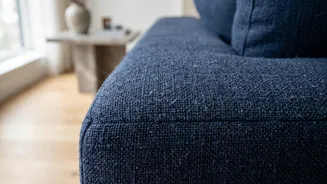
or sofa is often a sign of off-gassing. This is the process where volatile organic compounds (VOCs) are released into the air. Furniture made from composite woods like particleboard, MDF, and plywood are major sources. These materials use adhesives containing chemicals like formaldehyde, which evaporate at room temperature. While the smell is strongest initially, off-gassing can continue for months or even years, releasing these chemicals into your living space long after the scent has faded. Other VOCs commonly found in furniture and home goods include benzene, toluene, and xylene.
Why Winter Makes Indoor Air Worse
During colder months, we keep windows and doors tightly shut to conserve heat. This drastically reduces natural ventilation, allowing pollutants to build up inside. According to environmental experts, indoor air can be two to five times more polluted than outdoor air, a problem that gets significantly worse in the winter. With less fresh air to dilute them, concentrations of VOCs from furniture, along with other pollutants like dust and cooking fumes, can become much higher. This creates a chemical cocktail that your family breathes in day after day, trapped within the very space meant to be a sanctuary from the cold.
From Headaches to Long-Term Risks
The health effects of VOC exposure can range from subtle to serious. Short-term symptoms often mimic common ailments, making them easy to dismiss. These can include headaches, dizziness, nausea, and irritation of the eyes, nose, and throat. For those with asthma or allergies, poor indoor air quality can trigger or worsen their symptoms. Long-term, chronic exposure to certain VOCs like formaldehyde has been linked to more severe health issues, including damage to the central nervous system, liver, and kidneys, and even an increased risk of certain cancers.
Simple Steps to Clear the Air
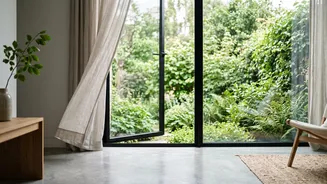
Improving your indoor air quality doesn't require a complete home overhaul. The most effective strategy is ventilation. Even on cold days, opening windows for just 5–10 minutes can create a cross–draft that flushes out accumulated pollutants. When you buy new furniture, let it 'air out' in a garage or a well–ventilated room for a few days before placing it in its final spot to speed up the initial, most intense off–gassing. You can also look for furniture made from solid wood or certified as low–VOC or formaldehyde–free. Finally, consider using an air purifier with an activated carbon filter, which is specifically designed to trap gaseous pollutants like VOCs.