




The Prep Stage: Your First Line of Defence
The most effective way to fix a recipe is to prevent the problem from happening at all. Issues that arise during the preparation stage are often the most fundamental and the hardest to correct later. This includes misreading the instructions, using the wrong
quantity of an ingredient, or choosing ingredients that are past their prime. Forgetting a leavening agent in a cake or using old, flavorless spices are common prep-stage errors. The fix at this point is often blunt: you may need to start over. However, careful prevention is the best strategy. Reading a recipe from start to finish before you begin is a non-negotiable first step. Measuring ingredients accurately and ensuring they are at the temperature specified—like room-temperature butter for a cake—can prevent a host of issues, from cookies that spread too much to batters that won't combine properly. If you realize you’ve made a significant measurement error early on, it’s far better to pause and correct it than to hope it will sort itself out in the oven.
The Cooking Stage: Mid-Process Adjustments
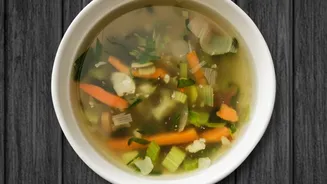
This is the most dynamic phase, where heat and time transform your ingredients. It’s also where many problems surface. A sauce that’s reducing too quickly, vegetables that are browning too fast on the outside while remaining raw inside, or a stew that’s becoming dangerously thick are all mid-cook issues. The key here is active monitoring and adjustment. If something is cooking too quickly, lower the heat. If a quick bread is browning on top but still raw in the middle, covering it with foil can prevent burning while allowing the inside to cook through. If you taste a soup midway and find it’s already too salty, stop. Don't add any more seasoning. Instead, you can add more liquid like unsalted broth or water to dilute the saltiness. This effectively increases the volume of the dish to balance the seasoning. This stage is about intervention—adjusting heat, managing time, and making additions to steer the dish back on course before it's too late.
The Finishing Stage: Last-Minute Rescues
Sometimes, despite your best efforts, you only notice a problem at the very end. Your dish is cooked, but it tastes… flat. This is the finishing stage, and it’s all about adjustment and balance. A bland dish is one of the most common final-stage problems. Before you reach for more salt, consider other elements. Often, a dish that tastes flat doesn't need more salt, but a hit of acid. A squeeze of lemon juice or a splash of vinegar can brighten and lift all the other flavors, making them taste more vibrant. If a dish is too sweet, a bit of acidity can counteract it. If it’s too spicy, adding a fat like cream, yogurt, or avocado can help mellow the heat. A sauce that is too thin can be thickened with a cornstarch slurry, while one that’s too thick can be thinned with a little broth or water. These are not fundamental changes but final tweaks to perfect the taste and texture right before it hits the plate.