



From Showroom to Storybook
The era of the pristine, untouched living room that looks like a catalogue page is gently fading. In its place, a more expressive and layered approach is gaining favour across Indian homes. Interior designers note a clear shift: homeowners are no longer
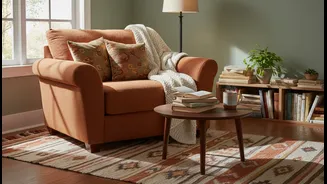
looking for sterile perfection but for spaces that feel lived-in, warm, and authentic. This movement, sometimes called 'cluttercore' or 'maximalism', is about surrounding yourself with things that hold personal meaning and joy. It is a direct response to years of stark minimalism, driven by a desire to create a home that is a true reflection of one's journey, tastes, and identity. Instead of hiding away heirlooms, travel souvenirs, or cherished books, the new ethos is to put them on display, turning storage into an act of self-expression.
What Makes a Collection?
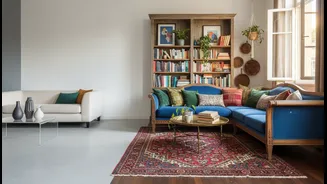
A 'collection' isn’t just about expensive art or rare antiques. It can be anything that brings you joy and tells a piece of your story. Think of your grandmother’s brass figurines, a growing assembly of ceramic mugs from local potters, colourful stacks of books you can't bear to part with, or even interesting stones and shells picked up on family holidays. In one Mumbai home, it might be a set of vintage Bollywood posters; in a Bengaluru apartment, a display of artisanal coffee-making tools. The value of a collection lies not in its monetary worth, but in its emotional significance. It's about displaying items chosen with love and intention, creating a home that is uniquely yours rather than filled with mass-produced items that everyone else has.
The Art of the Curated Display
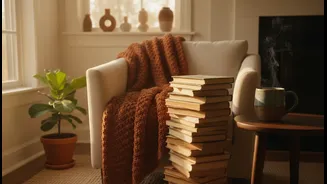
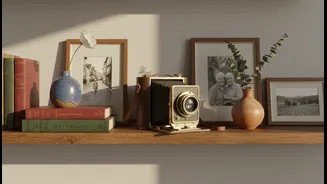
The key to making this trend work is curation, not chaos. It's the difference between a cluttered room that feels accidental and a collected room that feels intentional. Start by grouping similar items together. A cluster of five small, hand-painted plates on a wall makes a much bigger statement than one. Arranging objects by colour, theme, or material creates a sense of visual cohesion. Vary the height and scale of your display using risers or by stacking books to create pedestals for smaller items. And don't feel you have to show everything at once. Rotating your collections seasonally can keep your space feeling fresh and allows each treasured object its moment to shine. Leaving some 'breathing room' or negative space around your groupings is also crucial, as it prevents shelves from looking overcrowded and stressful.
A Home That Feels Like You
Ultimately, this trend is about the psychology of creating a space where you feel safe, comfortable, and truly yourself. Our homes became our entire worlds during the pandemic, forcing a re-evaluation of what makes a space feel good. Personal objects act as emotional anchors, connecting us to our memories, identity, and the people we love. Seeing your grandfather's vintage camera on a shelf or the colourful textiles you bought on a trip does more than just decorate a room; it provides a daily dose of comfort and nostalgia. By surrounding ourselves with our stories, we create a sanctuary that is not just aesthetically pleasing but also deeply nurturing to our well-being.