



First, A Note on Drainage
Even water-loving plants can suffer from root rot if they are sitting in completely stagnant, non-aerated water for weeks on end. The key is moisture, not a swamp. Before we get to the plants, ensure your garden has a fighting chance. If you're using
pots, make sure they have plenty of drainage holes. For garden beds, you can improve drainage by amending the soil with sand and organic compost. This creates a medium that holds moisture without becoming a brick of mud, allowing the roots to breathe. A simple 'finger test' works well: if the soil feels damp but not like a wet sponge, you're in a good spot.
Canna Lily
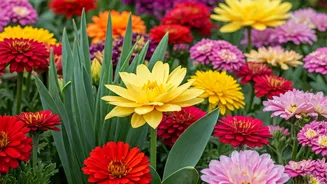
With their large, paddle-like leaves and vibrant flowers that resemble a tropical sunset, canna lilies are a dramatic and beautiful addition to any monsoon garden. These plants are native to tropical regions and are naturally adapted to periods of heavy rainfall. They absolutely love water and will grow vigorously when the soil is consistently moist. Their tall stalks and striking blooms in shades of red, orange, and yellow stand up well to downpours. Plant the rhizomes just before the rains begin, and they will shoot up, providing continuous colour throughout the season with minimal fuss.
Colocasia (Arbi or Taro)
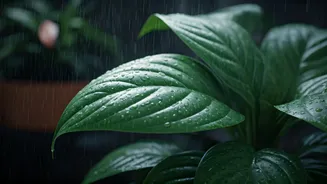
You may know it as a key ingredient in the kitchen, but Colocasia, or 'arbi', is also a stunning ornamental plant. Its huge, heart-shaped leaves (often called 'elephant ears') are spectacular. These leaves have a hydrophobic surface, meaning water beads up and rolls right off, preventing them from getting weighed down and damaged. Colocasia thrives in wet, boggy conditions that would kill most other plants. It’s perfect for that low-lying spot in your garden that always collects water. Whether you grow it for its edible tubers or its magnificent foliage, it's a guaranteed winner for the rainy season.
Ginger and Turmeric (Adrak and Haldi)
Why not make your monsoon garden an edible one? Both ginger and turmeric are tropical plants that flourish in the warm, humid, and wet conditions of the Indian monsoon. They prefer well-drained soil but require consistent moisture to develop their flavourful rhizomes. The lush, green foliage they produce above ground is also quite attractive. You can easily start them from a piece of store-bought ginger or turmeric that has begun to sprout. Plant them in large pots or a dedicated garden patch, keep the soil damp, and you can harvest your own fresh spices after the season.
Hibiscus (Gudhal)
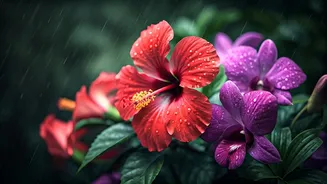
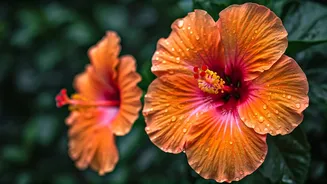
The quintessential tropical flower, Hibiscus is a surprisingly resilient choice for rainy climates. While it doesn't like to be waterlogged, it loves the high humidity and regular watering that the monsoon provides, as long as it's planted in well-draining soil. The frequent rains help keep pests like spider mites at bay, which can be a problem in drier weather. The reward is a profusion of large, stunning blooms in a vast array of colours that will brighten up even the greyest of days. A mature hibiscus shrub can become a focal point of your garden, providing daily floral displays.
Spider Lily
Often seen blooming miraculously in ditches and by roadsides after the first few showers, the Spider Lily is a tough, reliable, and elegant monsoon performer. Its delicate, spidery white flowers emerge on long stalks from a bulb, often before the leaves even appear. They are incredibly low-maintenance and thrive on neglect, making them perfect for gardeners who want beauty without the work. Plant the bulbs in a sunny or partially shaded spot, and they will naturalise over time, multiplying and rewarding you with a fragrant floral show every year when the rains arrive.