






Why This Permit Is More Than a Piece of Paper
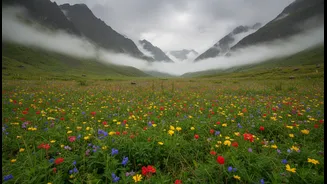
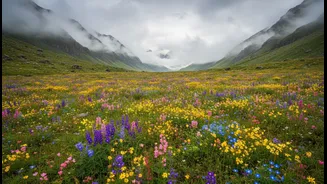
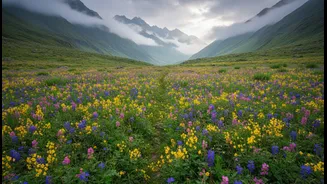
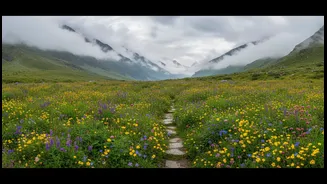
The entry permit for the Valley of Flowers National Park isn't just bureaucracy; it's a crucial tool for conservation. This fragile alpine ecosystem is home to rare and endemic flora, including the famous Himalayan Blue Poppy and Brahma Kamal. The permit system helps
regulate the flow of visitors, ensuring the valley is not loved to death. The Uttarakhand Forest Department enforces a strict daily cap of 300 visitors to minimise the human footprint and preserve the pristine beauty of the area for generations to come. Think of it as your contribution to protecting the very magic you've come to witness. The permit is mandatory for every single person entering the park.
The Two Paths to a Permit: Online vs. Offline
You have two options for securing your entry pass. The highly recommended method is to book online. The official portal allows you to select your date, enter your details, pay the fee, and download the permit in advance. This is the safest bet, especially during the peak monsoon season of July and August when permits can run out. The alternative is the offline counter at Ghangaria, the base camp village for the trek. While functional, this option means you risk being turned away if the daily quota of 300 visitors has already been met. The counter typically opens early, before the park's 7 AM opening time, but queues can be long.
Step-by-Step: The Online Application
Booking your permit online is a straightforward process. First, navigate to the official Uttarakhand Forest Department website for the Valley of Flowers. Once there, you will need to select your intended date of entry and enter the details for each trekker in your group. Be prepared to provide each person's name and a valid government photo ID number (Aadhaar is ideal for Indian citizens, while a passport number is required for foreign nationals). After filling in the details, you can proceed to the payment gateway. Once payment is complete, you can download your permit. It is essential to carry a printed copy of this permit, or at least a screenshot on your phone, as you will need to present it at the forest check post.
Documents, Fees, and Validity
The required documentation is simple: you must carry the original government-issued photo ID that you used during registration. Officials at the entry gate will cross-check the name and ID number on your permit with your original document. As of 2026, the entry fee for Indian citizens is ₹200, while for foreign nationals it is ₹800. This fee gets you a permit that is valid for three consecutive days, allowing you to explore the valley on multiple days during your stay in Ghangaria without needing to pay again. Keep cash handy if you plan to use the offline counter, but the online portal accepts digital payments.
Know the Rules Before You Go
Holding a permit comes with responsibilities. The park is open from 7 AM to 5 PM, and the last entry is usually allowed around 2 PM to ensure everyone can trek back to Ghangaria safely before the gate closes. Absolutely no overnight stays or camping are permitted inside the valley itself. Ghangaria is the only base for accommodation. Furthermore, to protect the delicate environment, activities like plucking flowers, flying drones, and leaving behind plastic waste are strictly prohibited and enforced. Adhering to these rules ensures that the ecosystem remains undisturbed and that your visit is both enjoyable and responsible.