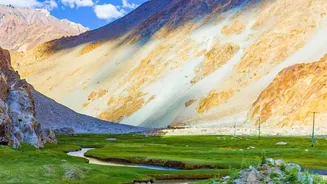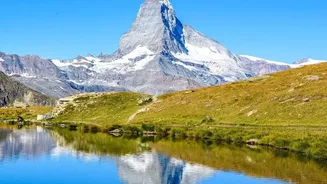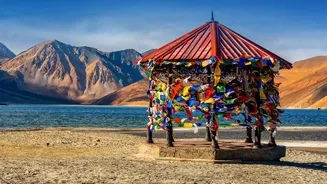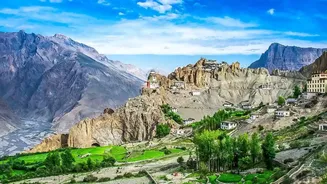



The Allure of Summer in Ladakh
July and August represent the heart of Ladakh's travel season for a reason. This is when the region is most accessible, with both the Manali-Leh and Srinagar-Leh highways fully open, a condition confirmed for July 2026. The weather is at its most pleasant,
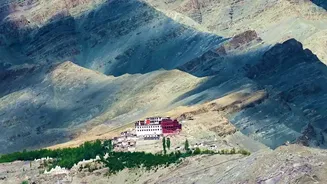
with daytime temperatures in Leh hovering around 25°C, perfect for exploring monasteries and the vibrant local culture. This window offers the best chance to see Ladakh in its full glory, from the turquoise expanse of Pangong Tso to the dramatic dunes of the Nubra Valley. Major cultural events like the Hemis Tsechu often fall in this period, adding another layer of attraction for visitors. However, this popularity means that flights, hotels, and taxis get booked out months in advance, making early planning absolutely essential.
Rule Number One: Master Acclimatization
The single most important factor for a successful Ladakh trip is acclimatization. Leh sits at an altitude of 3,500 meters (about 11,500 feet), where the air contains significantly less oxygen. Flying directly into Leh creates a sudden altitude change that can lead to Acute Mountain Sickness (AMS), with symptoms like headache, dizziness, and nausea. The expert consensus is clear: dedicate the first 24 to 48 hours in Leh to complete rest. Avoid any strenuous activity, including long walks. Drink plenty of water—at least 4-5 litres a day—and eat light, high-carbohydrate meals. Only after this crucial rest period should you plan excursions to even higher altitudes like the Khardung La pass or Pangong Lake. This isn't just advice; it's a prerequisite for enjoying your trip safely.
Navigating Permits and Paperwork
To visit popular areas like the Nubra Valley, Pangong Tso, and Tso Moriri, all tourists need a permit. For Indian citizens, this is the Inner Line Permit (ILP). While the permit itself is a straightforward process, it is mandatory. You can apply online through the official Leh administration portal before your trip or obtain it through a travel agent upon arrival in Leh. It is crucial to carry multiple photocopies of your permit and a valid government-issued photo ID, as you will need to submit them at various military checkpoints. For foreign nationals, a Protected Area Permit (PAP) is required, which generally must be applied for through a registered travel agent.
Packing Smart for a Land of Extremes
Packing for Ladakh means preparing for multiple weather conditions in a single day. The sun's UV rays are intensely strong at high altitudes, so sunscreen with SPF 50+, UV-rated sunglasses, and a wide-brimmed hat are non-negotiable. The key to comfort is layering. Pack thermal base layers, a fleece jacket for warmth, and a windproof outer shell. Even in July, temperatures at Pangong Lake can drop close to freezing at night. Sturdy walking shoes with good grip are essential. Don't forget a basic medical kit with remedies for headache, motion sickness, and any personal medications, and always consult a doctor about altitude sickness medication like Diamox before you travel.
Booking in Advance Is Not Optional
During the peak months of July and August, spontaneity is a luxury you cannot afford in Ladakh. Flights into Leh should be booked several months ahead to avoid exorbitant prices. The same rule applies to accommodation; the best hotels and guesthouses are often fully booked well in advance. If you plan to hire a vehicle, it's wise to arrange it ahead of time through a reputable local provider. Relying on last-minute bookings will likely lead to limited choices, inflated costs, and unnecessary stress, taking away from the peace and beauty you came to experience.
Travel with Respect and Responsibility
Ladakh's high-altitude desert ecosystem is incredibly fragile. The surge in tourism has placed immense pressure on its limited resources, particularly water. As a visitor, you can make a positive impact by practicing responsible tourism. Carry a reusable water bottle to reduce single-use plastic waste, which is a significant environmental concern in the region. Respect local customs and traditions, especially when visiting monasteries; dress modestly and always ask for permission before photographing people. Opting for local homestays or eco-friendly guesthouses can also help ensure that your tourism money benefits the local community directly and supports sustainable practices.