


The Myth's Origin: A NASA Study in a Box
The idea that houseplants are silent, leafy air purifiers can be traced back to a landmark 1989 NASA study. Researchers, looking for ways to clean the air on space stations, placed common houseplants like peace lilies and spider plants into small, sealed
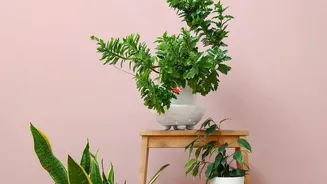
chambers. They then pumped in volatile organic compounds (VOCs) such as formaldehyde and benzene. The results were impressive: within 24 hours, some plants had removed a significant percentage of these pollutants. This study gave birth to a powerful and appealing narrative. The message was simple: bringing nature indoors could scrub our air clean. Outlets and plant shops have cited this study for years, popularizing a list of top 'air-purifying' plants.
Reality Check: The Problem of Scale
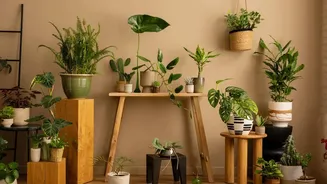
The major issue with applying the NASA study to our homes is the environment. The experiments were conducted in small, airtight containers, which bear little resemblance to a typical room with drafts, windows, and regular air exchange. More recent analyses have put these findings into perspective. A 2019 review of decades of research concluded that while plants do absorb pollutants, their effect in a real-world setting is negligible compared to normal air exchange. To achieve the air-cleaning rates seen in the lab, you would need an impractical number of plants—estimates range from 10 to over 1,000 plants per square metre. That means a small 500-square-foot apartment would require a veritable jungle of thousands of plants to make a meaningful difference. Simply opening a window for a few minutes provides a far greater air-cleaning effect than a dozen houseplants could over a full day.
Beyond Air: The Proven Benefits of Plants
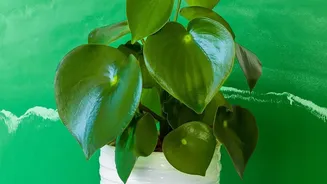
Debunking the air purifier myth doesn't mean you should discard your green friends. In fact, the most significant benefits of having indoor plants are psychological, not atmospheric. Multiple studies have shown that interacting with plants can reduce stress by lowering cortisol levels. The simple act of caring for a plant—watering, pruning, and watching it grow—has been linked to lower blood pressure and feelings of calm and comfort. People who work in spaces with plants often report higher job satisfaction and improved concentration. In essence, plants make us feel better. They bring a touch of nature indoors, which our minds are wired to appreciate, a concept known as biophilia. This connection to living things helps reduce mental fatigue and can improve our overall mood.
So, What Actually Cleans Your Air?
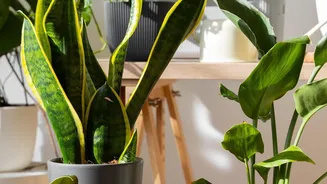
If you are genuinely concerned about indoor air quality, there are far more effective strategies than stocking up on snake plants. The first and most important is source control: reduce the use of products that release VOCs, like certain cleaning supplies, air fresheners, and paints. The second is ventilation. Regularly opening windows and doors to allow fresh air to circulate is one of the most effective ways to reduce indoor pollutants. For a more robust solution, especially for those with allergies or sensitivities, a high-quality air purifier with a HEPA filter is the gold standard. These devices are specifically engineered to capture tiny airborne particles, including dust, pollen, and the VOCs that your plants can't handle in significant amounts.