

Why Protein Variety is Key
Before diving into the 'what,' it's important to understand the 'why.' Relying on just one or two protein sources means you might miss out on a full range of essential amino acids and micronutrients. Different proteins provide different benefits; for example,
some are better for muscle repair, while others support hormone production. By eating a variety of proteins, you create a more balanced nutritional profile, improve digestion, and keep your meals interesting. The goal isn't to completely change your diet, but to make small, consistent upgrades.
Beyond the Everyday Dal
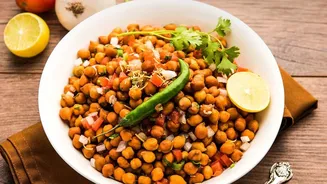
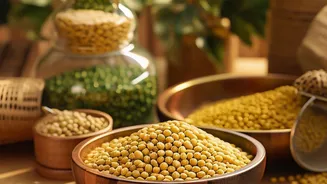
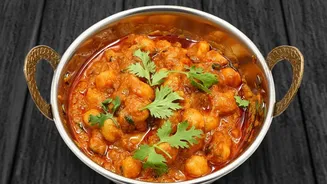
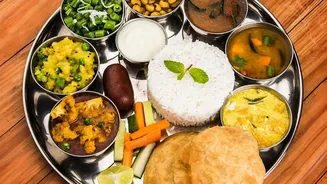
Dal is a staple in most Indian households and an excellent source of protein. A single katori of cooked dal can provide between 7 to 12 grams of protein, depending on the type and thickness. However, there is a whole world of legumes beyond the common toor and masoor dal. Moong, urad, and chana dal are particularly high in protein, offering around 24-25 grams per 100g in their raw form. Don't overlook options like rajma (kidney beans), lobia (cowpea), and kulthi (horse gram), which offer unique flavours and robust nutritional profiles. Sprouting legumes like moong can also enhance their nutritional value and make them easier to digest.
The Power of Dairy and Soy
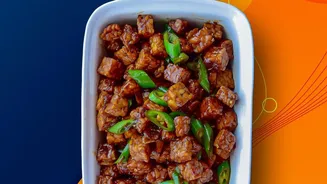
For vegetarians, dairy and soy are protein powerhouses. Paneer is a favourite, providing roughly 14 to 18 grams of protein per 100g serving. It can be added to curries, made into bhurji, or simply grilled. Plain Greek yogurt, or hung curd, is another fantastic option, with some varieties packing up to 10 grams of protein per 100g. Soy products are also incredibly versatile. Soya chunks contain a massive 52 grams of protein per 100g (dry), making them a great addition to pulaos and curries. Tofu, a brilliant paneer substitute, can be used in stir-fries and scrambles.
Smart Non-Vegetarian Choices
For those who eat meat, variety is just as important. Instead of only relying on heavy curries, consider lighter preparations. A skinless chicken breast is one of the leanest sources of protein available. Eggs are another affordable and convenient option, perfect for breakfast or a quick snack. Don't forget about fish like rohu or surmai, which are not only rich in protein but also provide essential omega-3 fatty acids. Incorporating different types of meat and fish, prepared in various ways like grilling or light curries, ensures a broader nutrient intake.
Grains and Seeds That Pack a Punch
Your protein intake isn't just limited to dals and meats. Certain grains and seeds can significantly boost your meal's protein content. Quinoa is a complete protein and works wonderfully as a substitute for rice in dishes like pulao or upma. Millets such as bajra and ragi are also good sources. Furthermore, a simple sprinkle of seeds can make a big difference. Just two tablespoons of chia seeds or flaxseeds can add around 5 grams of protein. You can add them to smoothies, sprinkle them over curd, or mix them into your roti dough for an easy and invisible protein boost.