



The Case for Classic Aerobics
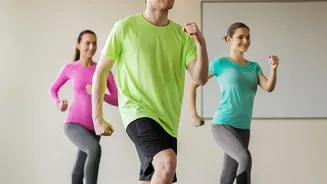
Aerobic exercise, by definition, is any activity that gets your heart pumping and increases your body's oxygen use. This broad category includes everything from brisk walking and cycling to structured dance fitness classes. Its biggest advantage is accessibility.
You can do simple aerobic movements at home with no equipment, or join a class for a more guided experience. These workouts are proven to strengthen your heart, improve circulation, help manage weight, and reduce the risk of chronic conditions like diabetes and high blood pressure. With endless variety, from high-impact intensity to low-impact modifications, aerobics can be adapted for almost any fitness level, making it a reliable and versatile choice for cardiovascular health.
The Bouncy Allure of Trampolining
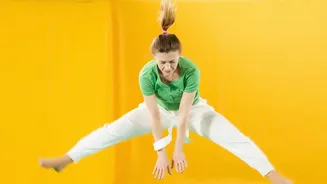
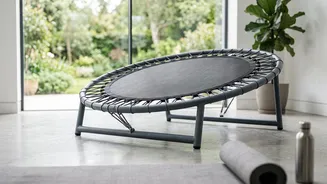
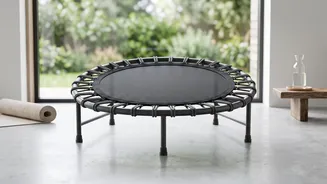
Trampolining, or 'rebounding' as it's often called when using a mini-trampoline, offers a unique blend of fun and fitness. The primary appeal is that it is a low-impact exercise. The trampoline mat absorbs a significant amount of the landing force, by some estimates up to 80%, making it much gentler on the knees, ankles, and hips compared to running on hard surfaces. This makes it an excellent option for individuals with joint sensitivities, those recovering from injuries, or anyone looking to minimise physical stress while still getting an intense workout. Beyond being joint-friendly, rebounding engages a wide range of muscles, including your core and smaller stabilising muscles, which are constantly working to maintain balance on the unstable surface.
Calorie Burn and Intensity
When it comes to burning calories, intensity is key for both activities. High-intensity aerobic exercises like running can burn between 300 to 600 calories in 30 minutes, depending on your speed and body weight. Rebounding is surprisingly effective, too. A vigorous 30-minute session can burn between 200 and 400 calories. Some research even suggests that rebounding can be more efficient than running. One famous NASA study found that 10 minutes of bouncing could offer cardiovascular benefits similar to a 30-minute run. While high-impact aerobics might have a slight edge in pure calorie burn per minute, the 'fun factor' of trampolining may lead people to exercise for longer, ultimately closing the gap.
Beyond the Cardio: Unique Benefits
Each workout offers distinct advantages beyond just raising your heart rate. One of the most cited benefits of trampolining is its effect on the lymphatic system. This system, which helps remove toxins from your body, doesn't have its own pump like the circulatory system. The vertical up-and-down motion of rebounding is believed to effectively stimulate lymphatic drainage, boosting immune function. Traditional aerobics, especially choreographed routines, excel at improving coordination, rhythm, and agility. The structured patterns challenge your mind and body to work in sync, enhancing motor skills over time.
Cost, Space, and Convenience
Practical considerations often determine which workout we stick with. Aerobics can be entirely free if you're doing bodyweight exercises at home or going for a run. Gym memberships or specialised class fees represent a recurring cost. Trampolining requires an initial investment in a mini-trampoline, or 'rebounder'. While these can be stored, they still require dedicated space during use. For those living in smaller apartments, a simple aerobics routine might be more practical. However, having a rebounder at home offers incredible convenience, eliminating travel time to a gym and making it easy to squeeze in a quick workout anytime, regardless of the weather.