


The Western Welcome: A Spongy Slice of History
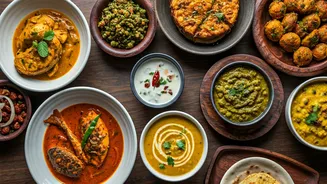
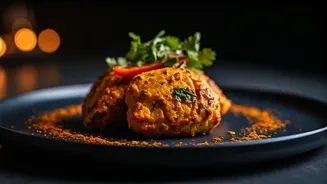
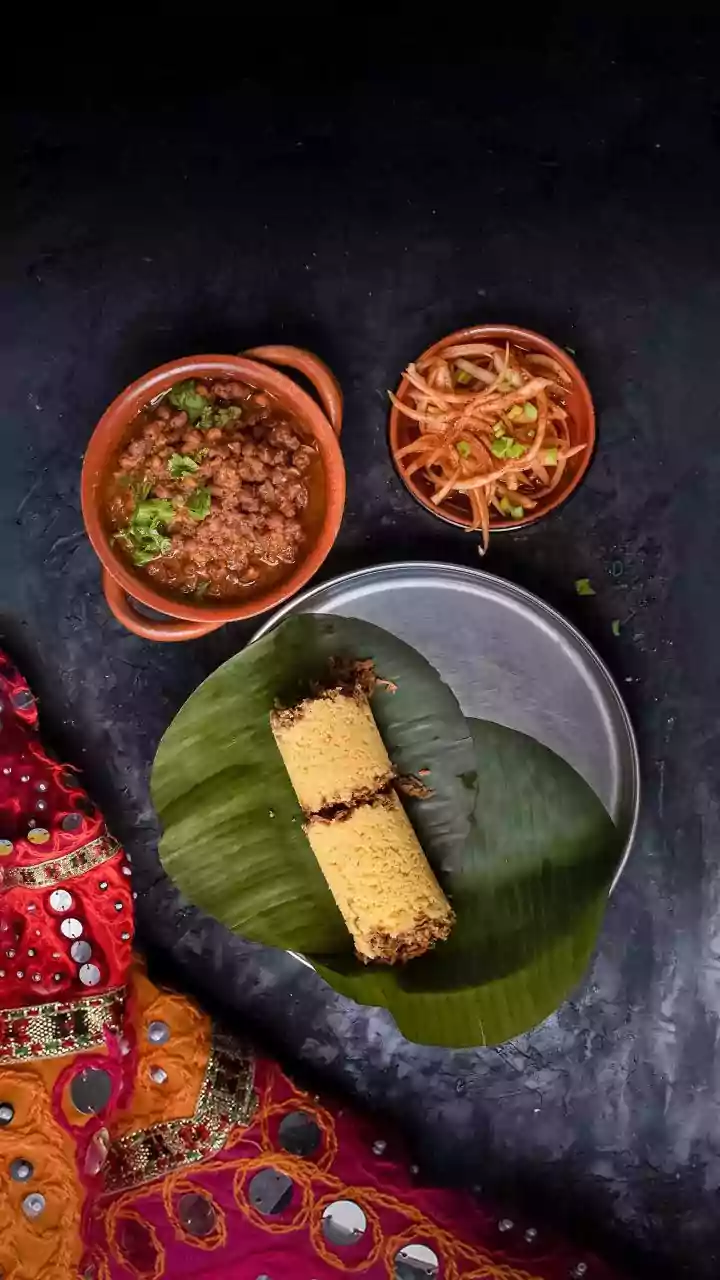
Our culinary journey begins in the west, with a plate of fluffy, yellow squares, glistening from a fresh tempering of mustard seeds and curry leaves. This is Dhokla, the pride of Gujarat. [5] More than just a light and spongy snack, its history is a lesson
in culinary evolution. [4, 10] A similar pulse-based dish called Dukkia was mentioned in Jain texts as far back as 1066 CE. [12, 5] The name 'Dhokla' itself appeared in the 16th-century text, Varanaka Samuchaya. [4, 12] Made from a fermented batter of gram flour or a mix of rice and lentils, this steamed delicacy is a testament to the region's long-standing tradition of creating sophisticated flavours through simple, often vegetarian, means. [5, 12] It's a dish that embodies the practicality and ingenuity of Gujarati culture, a perfect, light start that prepares the palate for what's to come.
The Northern Star: A Flaky, Tandoori Legend
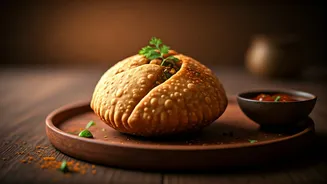
From the west, we travel north to Punjab, the land of five rivers and robust flavours. Here, our plate is graced by an Amritsari Kulcha, its golden-brown, flaky crust giving way to a soft, spiced potato filling. [13, 31] Served with a dollop of butter, this is more than just bread; it's a cultural icon. [13, 30] The kulcha's history is said to be around 200 years old, an evolution of the naan, possibly influenced by Mughal-era fermented breads and even French layering techniques from the colonial period. [13, 28] Baked in a traditional tandoor, the slow heat allows the layers of ghee to melt, creating its signature crispy-yet-soft texture. [13] It became a hallmark of Amritsar's street food, a hearty and satisfying meal that reflects the soul of Punjab. [16] The state is even seeking a Geographical Indication (GI) tag for it, to protect its authentic legacy. [13, 28]
The Southern Spice Route: A Fiery Tale of Trade
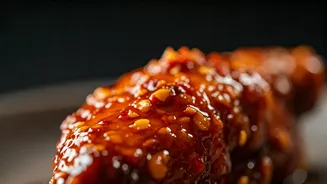
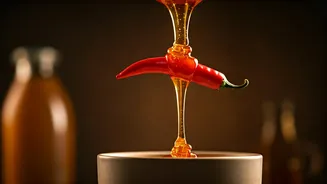
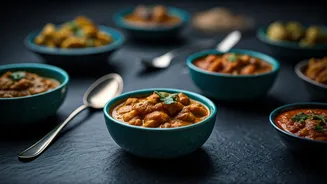
Our main course takes us south to Tamil Nadu, to the bold and aromatic world of Chettinad cuisine. The dish is Chicken Chettinad, a fiery curry that speaks of a rich history of maritime trade. [9, 15] This isn't just a dish; it's the legacy of the Nattukottai Chettiars, a community of traders who travelled across Asia. [15, 17] Between the 18th and 20th centuries, they brought back not just wealth, but also flavours from Sri Lanka, Malaysia, Vietnam, and Indonesia. [14, 15] They masterfully blended these imported spices like star anise and stone flower (kalpasi) with local Tamil ingredients, creating a cuisine that is global in its reach but local in its soul. [9, 14, 15] The use of freshly ground masalas and a distinct peppery heat makes Chettinad food a powerful statement of a community's journey through the world. [9, 17]
The Eastern Palate Cleanser: A Bitter Beginning
To balance the richness, we turn to the East, specifically to Bengal, for a unique dish called Shukto. It's a gently bitter, mixed-vegetable stew often cooked with a hint of milk and subtle spices. [1, 7] Traditionally served at the beginning of a meal, Shukto acts as a palate cleanser, preparing the stomach for the richer courses to follow. [6, 8] Its origins are ancient, rooted in Ayurvedic principles that promote starting a meal with something bitter for medicinal value. [1] Mentions of Shukto can be found in medieval Bengali texts like the Mangal-Kāvya, showing its deep-seated place in the region's culture. [1, 2] Using vegetables like bitter gourd, raw banana, and drumsticks, it's a dish that embodies a philosophy of balance and wellness, a cooling and subtle counterpoint to the feast. [1, 7]
The Sweet Surrender: A Pot of Creamy Tradition
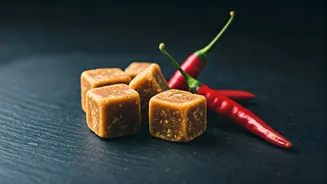
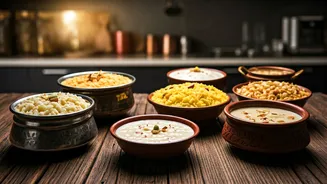
No Indian meal is complete without a sweet finale. Our dinner concludes with Mishti Doi from Bengal, a dessert that is a cultural symbol in itself. [3, 20] This isn't just sweetened yoghurt; it is made by reducing milk, sweetening it with jaggery or caramelized sugar, and setting it in porous clay pots. [34, 35] The earthenware pots are key, as they absorb excess moisture, resulting in a thick, creamy, and firm texture. [3, 34] While curd has been part of the diet for centuries, the modern version of Mishti Doi is often traced back to the 19th century. [3] Served on auspicious occasions and as a sign of hospitality, it represents more than just a dessert—it's a taste of tradition, a sweet and comforting end to our nationwide culinary tour. [3, 26]