






The End of the Off-Season
For decades, the Indian tourism calendar was predictable: a frantic summer, a lull during the monsoon, and a busy winter. The rainy months from June to September were synonymous with discounted rooms and low occupancy. That is no longer the case. Recent
data from travel platforms reveals a fundamental shift, with one report from Cleartrip highlighting a nearly 54% year-on-year increase in hotel bookings during the monsoon season. What was once a quiet shoulder period is now a vibrant travel window, driven by a new appreciation for the unique beauty of a rain-swept India. This isn't a temporary spike; it's a trend that signals a permanent change in domestic travel habits, forcing the hotel industry to rethink its seasonal strategy.
What's Fuelling the Tourist Downpour?
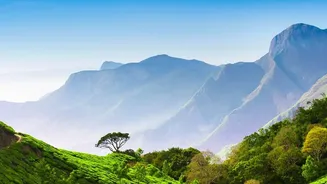
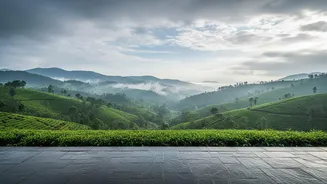
Several factors are contributing to this monsoon travel boom. The rise of flexible and remote work culture has untethered professionals from their desks, making spontaneous 'workcations' and short getaways more feasible. Furthermore, social media has played a significant role in romanticizing the monsoon experience; aspirational images of mist-covered hills, cascading waterfalls, and cozy retreats have made rainy-day travel a desirable pursuit. There is also a strong value proposition. Many travellers are drawn by the appeal of lower prices and fewer crowds compared to the peak winter months, allowing for a more relaxed and immersive experience. This shift is less about destinations and more about personal interests, with travellers seeking wellness, adventure, and cultural immersion.
Monsoon Hotspots in High Demand
While the appeal is widespread, certain destinations have become clear monsoon favourites. Hill stations, in particular, are seeing unprecedented interest. According to Booking.com data for July and August 2026, searches for Rishikesh and Mussoorie surged by over 200% and 160% respectively. In the south, destinations in the Western Ghats are thriving. Wayanad in Kerala reported a staggering 160% growth in hotel bookings, while other popular spots like Munnar, Coorg, Ooty, and Kodaikanal have also seen sharp increases. Even Goa, traditionally a winter destination, is being rediscovered for its tranquil, green landscapes, with hotel bookings up over 110%. The Northeast has also emerged as a powerful contender, with Nagaland and Arunachal Pradesh recording booking growth of over 90% as travellers seek out offbeat, nature-based experiences.
How the Hospitality Industry is Responding
This surge in demand is prompting a strategic pivot from hotels and travel companies. No longer just trying to fill rooms with deep discounts, many are now curating specific monsoon packages that include indoor activities, wellness treatments, and culinary experiences. The increased demand is also impacting pricing. While deals can still be found, the booking window is shrinking, and popular mid-range hotels are filling up faster than ever. This trend rewards travellers who plan ahead, even for short trips. For hotel operators, this new season brings a welcome revenue stream but also the challenge of managing unpredictable demand spikes often influenced by something as fickle as a weather forecast. National occupancy for premium hotels is expected to remain steady at a healthy 72-74% for the 2026-27 period, buoyed by this strong domestic demand.