



More Than Just Mucus
The first thing to understand about a stuffy nose is that it's not primarily caused by a build-up of mucus. While excess mucus is a symptom, the core issue is inflammation. When your body encounters an irritant—like a cold virus, pollen, or smoke—it triggers
an immune response. This response causes the blood vessels in the delicate lining of your nasal passages to swell. It’s this swelling, or inflammation, that constricts the airway and creates that all-too-familiar sensation of being blocked up. So, effective relief is as much about calming this inflammation as it is about clearing out mucus.
The Usual Suspects: Causes and Triggers
Nasal congestion has a wide range of triggers. The most common are infections like the common cold and flu, which are caused by viruses. Allergies are another major culprit, where your immune system overreacts to harmless substances like pollen, dust mites, or pet dander. Environmental irritants such as tobacco smoke, strong perfumes, and pollution can also set off inflammation. Other factors can include hormonal changes during pregnancy, certain medications, and even changes in weather or humidity. In some cases, chronic congestion can point to underlying structural issues like a deviated septum or the growth of nasal polyps, which physically obstruct airflow.
Navigating Over-the-Counter Options
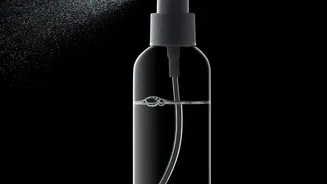
The pharmacy aisle offers several types of treatments, and it's important to know the difference. Saline nasal sprays are a simple, non-medicated saltwater solution. They work by moisturizing nasal passages, thinning mucus, and helping to wash away irritants and allergens. They are gentle and can be used daily. Medicated decongestant sprays, on the other hand, work by shrinking swollen blood vessels to quickly open up the airways. While effective for rapid relief, they should not be used for more than three consecutive days. Overuse can lead to a 'rebound congestion' effect, where the stuffiness comes back even worse. Oral decongestants and antihistamines can also provide relief, particularly if allergies are the cause.
Home Remedies That Actually Help
Beyond medication, several home strategies have evidence to support them. Staying well-hydrated by drinking plenty of water and clear fluids helps to thin mucus, making it easier to drain. Inhaling steam, either from a bowl of hot water or a warm shower, can provide temporary relief by loosening mucus and soothing irritated nasal passages. Using a cool-mist humidifier in your room adds moisture to the air, which can ease stuffiness, especially in dry environments. Elevating your head with an extra pillow while sleeping can also help, as it uses gravity to aid drainage and reduce blood flow to the swollen nasal vessels.
When a Stuffy Nose Is a Red Flag
Most nasal congestion resolves on its own within a week or so. However, there are times when it's best to consult a doctor. You should seek medical advice if your congestion lasts for more than 10 days without improvement. Other warning signs include a high fever, thick yellow or green nasal discharge accompanied by sinus pain, or blood in your mucus. If you experience severe facial pain, swelling around the eyes, a stiff neck, or confusion, seek emergency medical care immediately, as these could be signs of a more serious infection that has spread. For children, if a stuffy nose interferes with nursing or breathing, it's crucial to see a healthcare provider.