

Why Monsoon Paw Care is Crucial
During the monsoon, city streets and parks become a mixture of mud, stagnant water, and hidden contaminants. This moisture and dirt do more than just stain your floors; they create the perfect breeding ground for bacteria and fungi between your dog's
paw pads. The high humidity in most parts of India means a dog's coat and paws don't dry easily, trapping moisture against the skin. This can lead to painful fungal infections, yeast overgrowth (often identified by a distinct 'corn chip' smell), bacterial skin issues like pododermatitis, and general irritation that causes your dog to lick excessively. Furthermore, standing water can carry serious diseases like leptospirosis, which can enter through broken skin on the paws.
Prepare Your Cleaning Station
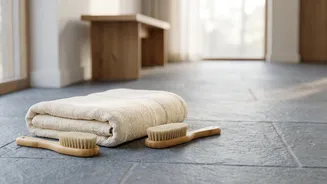
The key to a stress-free cleanup is having everything ready before you even step out of the door. Designate a spot near your entrance as your official paw-cleaning station. This ensures the routine is automatic the moment you get back. You will need a few basic items: an old, absorbent towel (microfiber works best), a bowl or mug of lukewarm water, and another clean, dry towel. Pet-safe wipes are a great alternative for less muddy days. Having these items within arm's reach prevents a wet or muddy dog from running through the house while you search for supplies.
Step 1: The Doorway Wipe-Down (1 Minute)
Before you begin washing, the first step is to get the worst of the grime off. As soon as you are inside, have your dog stand on a dedicated mat or towel. Use a dry or slightly damp cloth to wipe down their legs, belly, and tail—areas where muddy water often splashes. This initial pass removes the bulk of the mud and water, making the next step cleaner and more effective. It also helps prevent your main washing water from getting too dirty too quickly.
Step 2: The Gentle Paw Wash (2 Minutes)
This is the most important part of the routine. One by one, dip each paw into the bowl of lukewarm water. Use a soft cloth or your fingers to gently clean the entire paw, paying close attention to the area between the pads and around the nails, as this is where mud and debris love to hide. If your vet has recommended it for a dog prone to infections, you can use a diluted pet-safe antiseptic solution like chlorhexidine. Otherwise, plain warm water is sufficient for a daily clean. Avoid human soaps or harsh detergents, which can irritate your dog’s skin.
Step 3: The Critical Drying Process (2 Minutes)
Never skip this step. Thoroughly drying your dog's paws is just as important as washing them. Trapped moisture is the primary cause of fungal and yeast infections. Use a clean, dry towel and be meticulous. Press the towel gently around each pad and make sure to absorb all the moisture from between the toes. For breeds with long hair, you may need to trim the fur around the paws at the start of the monsoon to make cleaning and drying easier. A hairdryer on a low, cool setting can also be used for dogs with very thick coats.
Bonus: Regular Paw Inspection
This daily routine is the perfect opportunity to quickly inspect your dog's paws for any potential issues. As you clean, check for small cuts, thorns, cracked pads, redness, or swelling. Excessive licking of a particular paw is often the first sign of an underlying problem. Catching these issues early can prevent a minor irritation from becoming a serious infection that requires a visit to the veterinarian. Applying a lick-safe paw balm after drying can also help soothe pads and create a protective barrier.