






Choose Your Operator Wisely
The single most important decision you'll make is choosing your tour operator and lodge. Responsible tourism starts with selecting partners who are genuinely committed to conservation. In India, look for properties with credible eco-ratings, such as the
TOFTigers PUG certification. This mark indicates that the accommodation has been independently audited for its sustainable practices. A good operator will prioritize small group sizes to minimize disturbance, employ local guides who have deep knowledge of the area, and follow all park regulations strictly. Before booking, ask about their conservation policies, community engagement, and how they ensure their presence benefits the local ecosystem rather than harming it.
Select an Eco-Conscious Lodge
An eco-friendly lodge goes beyond just having a great view. These establishments actively work to minimize their environmental footprint. Key features to look for include the use of renewable energy like solar panels, robust waste management and recycling programs, and efficient water conservation systems, which are crucial in many remote destinations. They often use locally sourced materials for construction, blending into the natural environment. Furthermore, top-tier eco-lodges empower local communities by providing fair employment, supporting local artisans, and contributing to community development projects, ensuring that your stay has a positive ripple effect.
The Golden Rules of Forest Etiquette
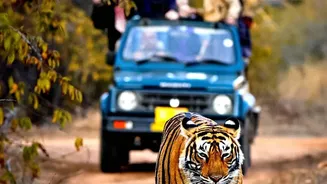
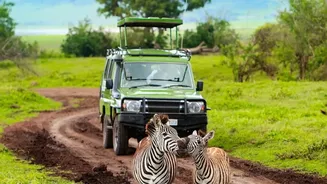
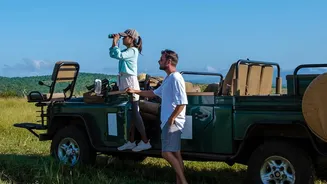
Once you're on the safari, your behaviour is paramount. The forest is home to the animals; you are merely a guest. The cardinal rule is to maintain a respectful distance and never ask your driver to get too close or block an animal's path. Keep noise to a minimum; loud talking can stress wildlife and ruin a potential sighting for everyone. Using flash photography is strictly prohibited as it can disorient and frighten animals. Never feed wildlife, as this disrupts their natural foraging behaviours and can make them dangerously dependent on humans. Patience is key—the best sightings often come to those who wait quietly and observe without interfering.
Pack Smart and Leave No Trace
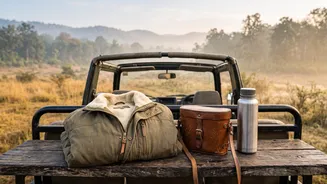
Responsible travel begins before you even leave home. Pack mindfully to minimize waste. Bring reusable water bottles to avoid single-use plastics. Wear clothing in neutral, earthy tones like beige, green, and brown to blend in with the surroundings and avoid startling the animals. Bright colours are a definite 'no'. Remember the principle of 'leave no trace': carry out everything you carry in, including any wrappers or rubbish. A small bag for your personal trash is a simple but effective way to ensure you leave the wilderness pristine.
Engage Respectfully with Local Culture
A safari adventure offers a unique opportunity to connect with the local culture surrounding the national parks. Responsible tourism involves supporting the local economy in a sustainable way. When buying souvenirs, choose authentic, locally made handicrafts instead of products made from wildlife parts, which are often illegal and fuel poaching. Engage with your local guides and lodge staff, listen to their stories, and learn about their relationship with the forest. This cultural exchange enriches your experience and fosters a deeper appreciation for the destination. Also, be mindful of tourist traps like elephant rides or paying for a photo with a 'tamed' wild animal, as these often involve immense animal cruelty.
Think Beyond the Big Cats
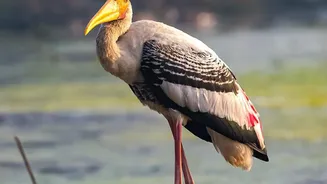
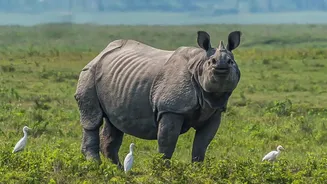
While spotting a tiger or leopard is often the highlight, a truly rewarding safari involves appreciating the entire ecosystem. A knowledgeable guide will point out the incredible diversity of life, from rare birds and insects to unique plant species and the tracks of elusive smaller mammals. Embrace the symphony of the forest—the alarm calls of deer, the rustle of leaves, the chorus of birds. A safari is not a race to a checklist of sightings. By broadening your focus, you'll gain a richer understanding of the jungle's complexity and find wonder in every corner, not just in the presence of an apex predator.