





From Garnish to Gourmet Main
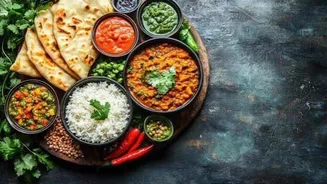
For years, mushrooms in Indian eateries were largely represented by the common button mushroom, often found in familiar dishes like kadai mushroom or mushroom masala. While beloved, these preparations kept the fungus in a comfortable, predictable role.
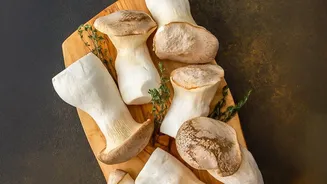
Today, however, chefs in urban cafes and ingredient-focused restaurants are rethinking the mushroom's potential. Inspired by global culinary trends and a growing diner curiosity, they are exploring the diverse world of fungi, using varieties like shiitake, oyster, and portobello to craft inventive main courses that are both hearty and sophisticated. This shift marks a significant moment in modern Indian cuisine, where a single ingredient’s versatility is celebrated in its entirety.
The Health and Wellness Driver
A major force behind the mushroom's ascent is the growing consumer focus on health and wellness. Mushrooms are nutritional powerhouses, low in calories but rich in protein, fibre, and essential nutrients like Vitamin D and potassium. This makes them an ideal ingredient for health-conscious diners. Furthermore, the interest in functional foods—ingredients that offer health benefits beyond basic nutrition—has put a spotlight on varieties like shiitake, lion's mane, and reishi, which are believed to boost immunity, support brain health, and reduce cholesterol. As diners increasingly seek out meals that are not just tasty but also beneficial, mushrooms provide chefs with a perfect, plant-based solution.
A Chef's Creative Playground
Beyond their health benefits, mushrooms offer incredible culinary versatility. Their inherent umami flavour—that deep, savoury taste also found in meat—makes them a satisfying meat substitute. This has not gone unnoticed by chefs catering to the expanding vegan and vegetarian population in India. Different mushrooms offer a wide range of textures and flavours, from the delicate and subtle oyster mushroom to the dense and meaty portobello. This allows for a variety of cooking techniques, including grilling them as 'steaks,' shredding them for plant-based 'pulled pork' tacos, stirring them into creamy risottos, or featuring them in luxurious pasta dishes. This adaptability gives chefs a broad canvas for creating memorable, plant-forward main courses.
The Sustainability Factor
The conversation around sustainable food choices is another key reason for the mushroom's rising popularity. Mushroom cultivation is notably eco-friendly, requiring minimal land, water, and energy compared to traditional animal agriculture. Some modern farms even use vertical farming structures, further reducing their carbon footprint. As diners become more aware of the environmental impact of their food choices, cafes and restaurants are highlighting the sustainability of their ingredients. Storytelling around locally sourced or sustainably farmed mushrooms can transform a simple dish into a conscious choice, appealing to a generation of consumers who want their meals to be both good for them and good for the planet.
What's on the Menu?
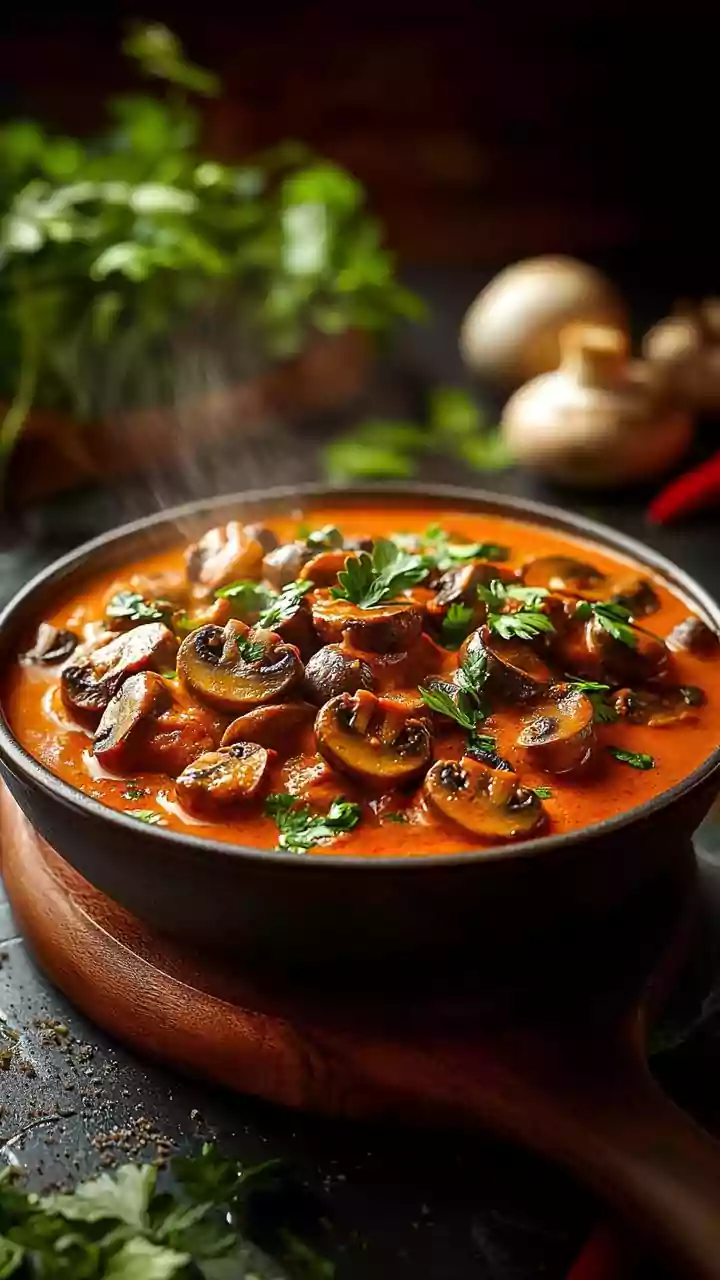
So, what do these new mushroom-centric dishes look like? In trendy cafes, you might find a Portobello mushroom burger, where the large cap serves as a juicy, flavourful patty. You could also encounter rich, truffle-infused mushroom soups, far more complex than their simpler predecessors. Other innovative offerings include mushroom tikkas marinated and grilled to smoky perfection, mushroom biryanis where fungi replace meat, and even Goan-inspired mushroom curries like Xacuti or Cafreal. Chefs are also reinterpreting traditional recipes, using a variety of gourmet mushrooms to add new layers of texture and umami to everything from South Indian curries to Italian-style pasta.