





Your Phone Is Now a Planetarium
The days of needing a bulky telescope and complex star charts to appreciate astronomy are fading. Thanks to powerful mobile apps, anyone can become an amateur astronomer. These applications use your smartphone's built-in GPS, compass, and gyroscope to know
exactly where you are and which direction you're pointing. When you aim your phone at the sky, the app uses augmented reality (AR) to overlay a map of celestial objects directly onto your screen. Suddenly, that bright dot you've always wondered about is identified as Jupiter, and the faint cluster of stars is revealed as the Pleiades star cluster. It’s an intuitive and powerful way to connect with the universe, transforming a simple glance upwards into an interactive learning experience.
How Augmented Reality Unlocks the Sky
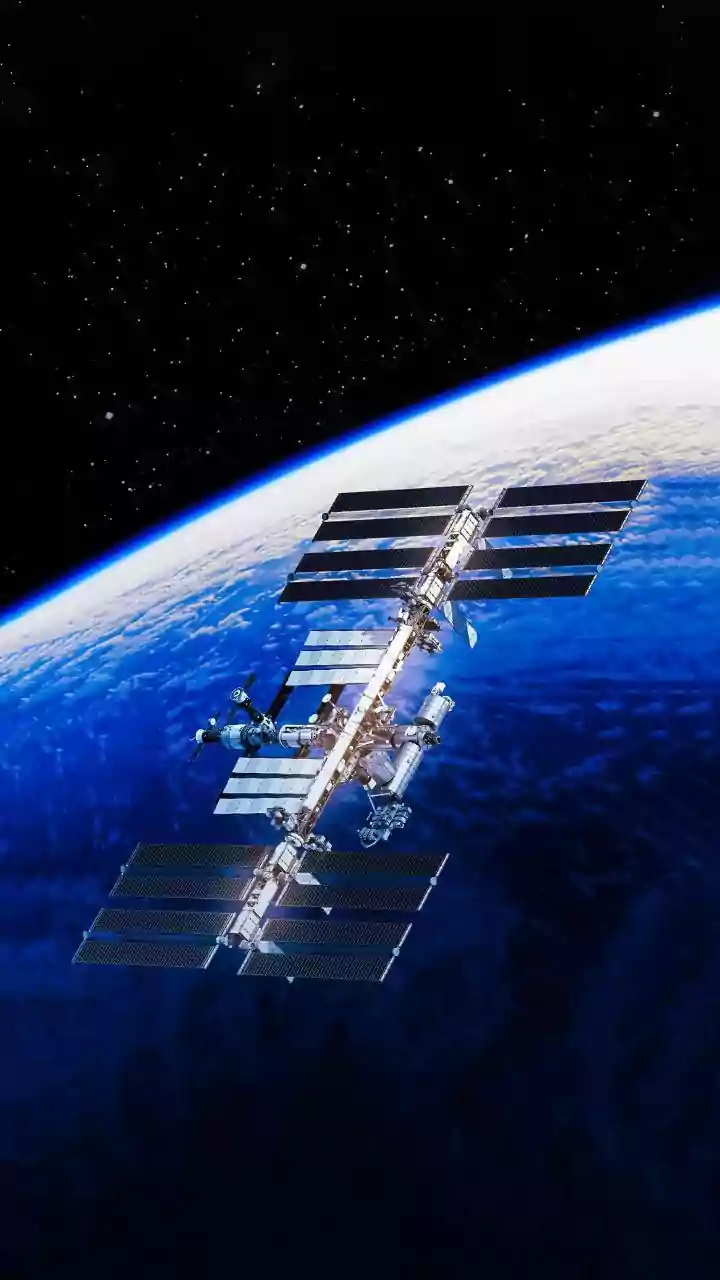
The magic behind these apps is augmented reality. By blending the live view from your phone's camera with a detailed database of celestial information, AR makes stargazing incredibly accessible. You don't need to know the difference between a star and a planet; the app does the heavy lifting. It can show you the outlines of constellations, track the path of the International Space Station (ISS) in real-time, and even provide detailed information about the objects you see. Some apps allow you to see what the sky looked like in the past or what it will look like in the future, offering a 'time travel' feature for the cosmos. This technology has removed the steep learning curve once associated with astronomy, making it a hobby for everyone.
Top Apps to Begin Your Cosmic Journey
With so many options available, choosing your first stargazing app can feel overwhelming. Here are a few highly-regarded choices perfect for beginners: SkyView Lite: Praised for its simplicity and user-friendly interface, SkyView Lite is an excellent starting point. You just point your phone at the sky, and it instantly identifies stars, planets, and constellations. Its AR overlay is seamless, making it feel like you have a celestial encyclopedia in your hand. Star Walk 2: If a beautiful design and rich visuals are important to you, Star Walk 2 is a fantastic option. It offers a polished AR experience and includes a wealth of information, a 'Sky Live' feature showing rise and set times, and the latest astronomy news to keep you engaged. Stellarium Mobile: For those who want a bit more depth, Stellarium is a powerful planetarium app that is highly respected by both beginners and seasoned astronomers. It is known for its realistic depiction of the night sky and its massive database of celestial objects, offering a deeper dive for curious minds.
Tips for a Great Stargazing Experience
Once you've downloaded an app, a few simple tips can dramatically improve your experience. First, try to get away from city lights. Light pollution is the biggest obstacle to seeing the stars, so finding a darker spot will reveal much more of the night sky. Second, give your eyes time to adjust to the darkness—it can take up to 20 minutes for them to become fully sensitive. Many apps feature a 'night mode' with a red-light filter, which helps preserve your night vision while you use your phone. Finally, don't just look, but observe. Pay attention to how objects move across the sky over time. Use your app's calendar feature to look for upcoming events like meteor showers or planetary alignments. The journey from a beginner to a seasoned sky-watcher is one of patience and curiosity.