






Navigating the Skies
Air travel during the monsoon is often a test of patience. Heavy rain, thunderstorms, and reduced visibility can lead to significant flight delays and cancellations, with major airports in Mumbai, Delhi, and Bangalore frequently affected. [20, 27] Airlines
often issue travel advisories, and India's aviation regulator, the Directorate General of Civil Aviation (DGCA), has specific guidelines for monsoon operations. These protocols prioritize safety over schedule adherence, encouraging pilots to divert, hold, or return rather than risk landing in uncertain conditions. [14] For passengers, this means staying updated on their flight status is crucial. It’s wise to book flights with flexible rebooking policies and to anticipate potential airport congestion. The DGCA also warns pilots about specific monsoon-related hazards like wind shear and microbursts, advising them to maintain a safe distance from convective weather systems, which can make flight paths longer. [23, 27]
Riding the Rails
Indian Railways implements a dedicated monsoon timetable annually, particularly for routes in weather-sensitive areas like the Konkan Railway, which connects Mumbai with Goa and Mangaluru. [2, 22] Effective from mid-June to late October, this schedule involves significant changes to train timings and frequencies to ensure passenger safety. [3, 4, 5] Speed restrictions are a key feature; in vulnerable sections of the Western Ghats prone to landslides, train speeds can be reduced from 120 kmph to as low as 75 kmph. [22] This safety measure can add several hours to a journey. [8] Consequently, many trains, including premium services like Vande Bharat and Rajdhani Express, may depart hours earlier than their normal schedule to avoid night travel on risky terrains. [8, 6] Passengers are strongly advised to check the latest train schedules and running status using the National Train Enquiry System (NTES) before starting their journey. [8, 22]
On the Road with Caution
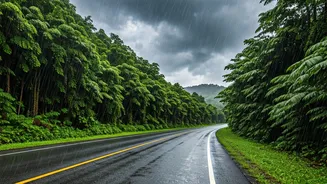
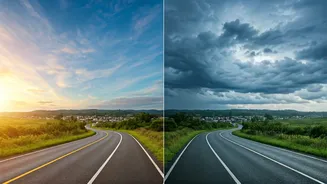
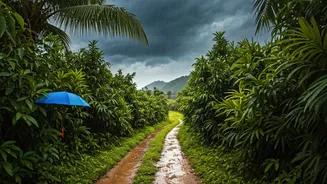
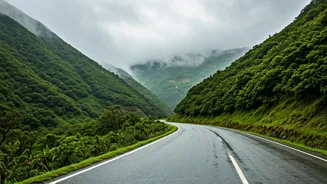
Road trips during the monsoon can be scenic but require heightened caution. The biggest risks include poor visibility, slippery roads which increase braking distances, and the danger of hydroplaning. [7, 19] In hilly regions like the Western Ghats, landslides and flash floods are serious concerns, and authorities may close trekking routes or ghat roads with little warning. [25, 12] Before setting out, a thorough vehicle check is essential. This includes ensuring tyres have adequate tread, brakes are in perfect condition, and windshield wipers are working effectively. [13, 16] It’s recommended to drive slower than usual, maintain a greater distance from the vehicle ahead, and use headlights even during the day to improve visibility. [10] Driving through waterlogged streets should be avoided as it can cause engine damage or hide open manholes. [16, 19] Keeping an emergency kit, a full tank of fuel, and a power bank is also a wise precaution for unexpected traffic jams or long delays. [10]
Smarter Travel Strategies
Beyond mode-specific precautions, a general strategy of flexibility and preparedness is key. Always monitor weather forecasts from the India Meteorological Department (IMD) for your intended destination. [17] Given the unpredictability, booking travel with insurance that covers weather-related cancellations can provide peace of mind. For accommodation, choose places that are not in low-lying or flood-prone areas. When packing, think beyond raincoats. Include waterproof bags for electronics, quick-dry clothing, and a first-aid kit. If travelling to coastal areas like Goa, be aware that strong currents make swimming in the ocean dangerous during the monsoon, and lifeguard presence can be rare. [24] Many popular tourist spots, especially in hilly or forested areas, may have restricted access, so confirming that destinations are open is a vital planning step. [25]