



Practice Mindful Indulgence
The key to enjoying festive feasts is not avoidance, but awareness. Mindful eating encourages you to be present and savour the experience. Instead of eating while distracted by conversations or screens, take a moment to appreciate the aroma, texture,
and taste of each dish. Chew slowly and listen to your body’s natural hunger and fullness cues. This simple practice can prevent overeating and deepens your enjoyment. Using a smaller plate can also be a helpful visual guide for portion control, allowing you to sample a variety of treats without feeling uncomfortably full. The goal is to prioritise the dishes you truly love and enjoy them in moderation, choosing quality over sheer quantity.
Make Smart Swaps, Not Sacrifices
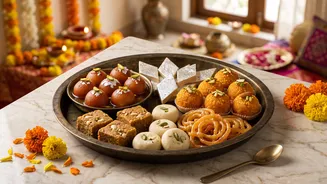
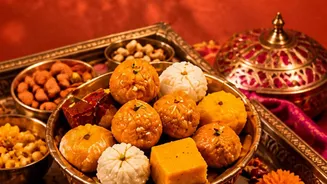
You don't need to give up your favourite festive foods; a few intelligent adjustments can make a significant difference. Consider baking or air-frying snacks like samosas and kachoris instead of deep-frying them. When preparing sweets, you can often reduce the amount of sugar or substitute it with natural alternatives like jaggery or dates. Opting for sweets made from nuts and dry fruits, like an almond flour barfi or a pistachio laddu, provides more nutrients than those made primarily from refined flour and sugar. Even small choices matter—for instance, choosing oil-free bhel (around 200 calories) over fried nachos with a dip (around 450 calories) can make a huge impact without sacrificing flavour.
Embrace Active Mobility
The term 'exercise' can feel daunting during a busy festival schedule. This is where active mobility comes in. It’s not about intense gym sessions, but about integrating simple, controlled movements into your day to keep your joints fluid and muscles engaged. These are exercises that improve your ability to move through a full range of motion with control, which is essential for everyday activities like bending, reaching, and squatting. Think of it as practice rather than punishment—short, consistent movements that leave you feeling better, not exhausted. Even 15-20 minutes of light activity can boost your metabolism and prevent the sluggishness that often follows a heavy meal.
Weave Movement into Your Day
Finding time for active mobility is easier than you think. You can perform simple drills while waiting for your morning chai or during a break from festive preparations. Try gentle hip circles to lubricate the hip joints or thoracic spine rotations to improve posture and ease back stiffness. A few sets of bodyweight squats or a quick plank hold can keep your metabolism active. Another fantastic and simple option is turning a post-meal walk into a family tradition. A brisk 10-minute walk after a meal not only aids digestion but also offers a chance to connect with loved ones away from the dinner table. Taking the stairs instead of the lift and incorporating stretching breaks are other easy wins.
Don't Forget Hydration and Rest
Wellness during the festive season goes beyond food and exercise. Late nights, rich foods, and a hectic social calendar can lead to dehydration and fatigue. Make a conscious effort to drink plenty of water throughout the day. Staying hydrated supports digestion, maintains energy levels, and can help you distinguish between true hunger and thirst. Prioritising sleep is equally crucial. Aim for seven to eight hours of rest per night to keep your immune system strong and your energy high. A consistent sleep schedule helps regulate your appetite and reduces stress, allowing you to be more present and enjoy the festivities to the fullest.