





What Exactly is a Hydrogen Train?
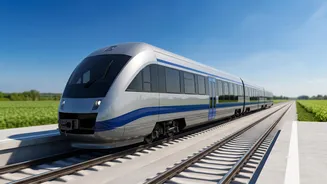
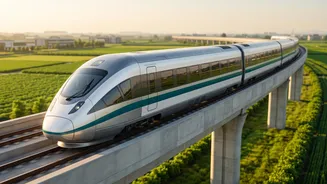
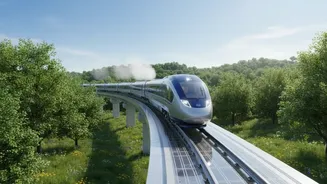
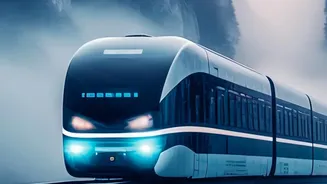
A hydrogen train, often called a 'hydrail', is essentially an electric train that generates its own power onboard. Instead of drawing electricity from overhead lines, it uses hydrogen fuel cells. Inside these cells, a chemical reaction between stored
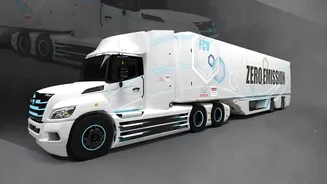
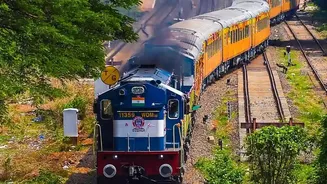
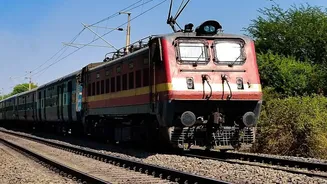
hydrogen and oxygen from the air produces electricity. This electricity then powers the motors that turn the train's wheels. The only byproduct of this process is water vapour, making it a zero-emission mode of transport at the point of use. This clean operation is a stark contrast to traditional diesel locomotives, which release carbon dioxide and other pollutants.
India's 'Hydrogen for Heritage' Initiative
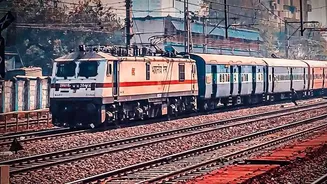
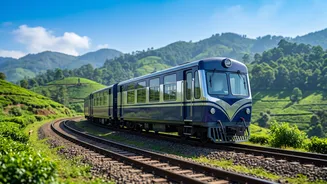
Indian Railways has embarked on a pioneering project called 'Hydrogen for Heritage'. This initiative aims to run 35 hydrogen-powered trains on various heritage and narrow-gauge routes across the country. The first of these, a retrofitted diesel electric multiple unit (DEMU), began operating on the Jind-Sonipat route in Haryana in mid-2026. The idea is to replace diesel engines on scenic and ecologically sensitive routes where installing overhead electric lines might spoil the landscape. By showcasing this technology on iconic circuits, the project aims to blend sustainable transport with the preservation of India's cultural heritage.
The Big Goal: Net Zero by 2030
The push for hydrogen trains is a crucial component of Indian Railways' larger mission: to become a 'Net Zero Carbon Emitter' by 2030. As one of the world's largest railway networks, this is a monumental undertaking. The strategy involves a complete shift away from diesel traction, widespread electrification of tracks, and sourcing energy from renewable sources. While electrification covers most of the broad-gauge network, hydrogen trains offer a clean alternative for the remaining non-electrified routes where laying new power lines is difficult or not cost-effective. Achieving this goal would significantly contribute to India's national climate commitments.
The Road Ahead: Challenges and Opportunities
Despite the promise, the path to widespread adoption of hydrogen trains is filled with challenges. The most significant hurdle is the cost and production of 'green' hydrogen, which is created using renewable energy. This process is currently more expensive than using diesel or conventional electricity. Furthermore, a new infrastructure for hydrogen production, storage, and refuelling needs to be built from the ground up, which requires substantial investment. The first pilot project on the Jind-Sonipat route has also faced teething issues, such as low passenger numbers, prompting officials to consider extending the route to Delhi to improve utilisation. These early experiences are critical for understanding the operational realities before scaling up.
More Than Just Emissions
The benefits of hydrogen trains extend beyond just cutting carbon emissions. They are significantly quieter than their diesel counterparts, which reduces noise pollution along railway lines. Adopting this technology also aligns with the 'Make in India' initiative and the National Green Hydrogen Mission, stimulating domestic manufacturing of fuel cells and electrolysers. Over the long term, creating a domestic hydrogen ecosystem could reduce India's dependence on imported fossil fuels, bolstering the nation's energy security. While electrification remains the primary strategy for decarbonisation, hydrogen trains provide a vital and complementary solution for achieving a truly green railway network.