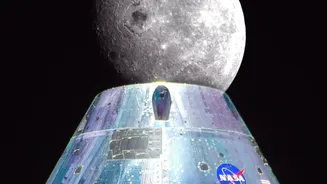





NASA's vision for the Moon is getting a major upgrade. The Artemis program is shifting from short-term visits to establishing a permanent address on the lunar surface. This revised strategy leans heavily on a new wave of robotic cargo missions and advanced
rovers.
A New Era: Beyond 'Flags and Footprints'
For decades, human space exploration has been defined by brief, daring missions. The Apollo program was a monumental achievement, but its goal was to get there, plant a flag, and come home. NASA's Artemis program is built on a different philosophy: sustainability. The agency's updated plans are less about a single landing and more about creating a long-term 'base camp' on the Moon, specifically near the resource-rich South Pole. This base will serve as a hub for science, exploration, and as a crucial stepping stone for future human missions to Mars. Recent updates to the Artemis timeline have adjusted the immediate landing goals, with Artemis IV, now targeted for early 2028, slated to be the first crewed landing of this new phase. This strategic shift prioritizes building the necessary infrastructure on the lunar surface before astronauts make it their semi-permanent home.
The Lunar Delivery Service
You can't build a settlement without supplies. A cornerstone of the new Artemis plan is the Commercial Lunar Payload Services (CLPS) initiative. Through CLPS, NASA is not building its own delivery vehicles but is instead contracting with a growing list of American companies to transport science experiments, technology demonstrations, and cargo to the lunar surface. This approach fosters a commercial space economy and allows for a more rapid and frequent cadence of missions, with a goal of about two deliveries per year. These robotic missions are already underway, with companies like Intuitive Machines and Firefly Aerospace sending landers to the Moon. These landers carry everything from instruments that study the lunar environment to early hardware for the future base. Blue Origin's Blue Moon lander is also slated for cargo missions, tasked with delivering key payloads to the surface in the coming years.
The Moon Buggy 2.0
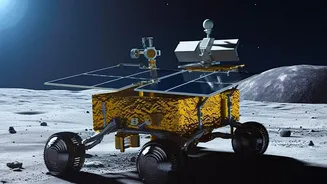
Once astronauts arrive, they will need to get around. The Apollo-era Lunar Roving Vehicle was a marvel, but it was designed for short trips. The new Artemis plan calls for a next-generation Lunar Terrain Vehicle (LTV) that is far more capable. NASA is again turning to the private sector, funding multiple companies to develop competing LTV designs. In May 2026, NASA awarded contracts to Lunar Outpost and Astrolab to build the first new crewed rovers. These unpressurized rovers will be the workhorses of the Artemis Base Camp, designed to transport two astronauts in their spacesuits, carry hundreds of kilograms of cargo, and endure the harsh lunar environment for years. A key feature is that these LTVs can also be operated remotely from Earth, allowing them to perform tasks like transporting cargo between missions, maximizing their usefulness even when no crew is on the Moon.
What is Lunar Infrastructure?
The term 'lunar infrastructure' sounds futuristic, but it boils down to the basic elements needed to live and work long term on another world. The Artemis Base Camp concept includes several key components. The first is a Foundational Surface Habitat, a pressurized facility where crews of up to four astronauts can live for short stays. This habitat will be the central hub, containing living quarters, labs, and life support. Another critical piece is power; early concepts involve using nuclear power sources to provide consistent energy, especially during the long, cold lunar nights. Finally, mobility is crucial. Beyond the unpressurized LTVs for short trips, the plan also includes a larger, pressurized rover, like a high tech camper van being developed with Japan's space agency, JAXA, which would allow astronauts to go on long range expeditions lasting for weeks.
A Public_Private Partnership for the Cosmos
The entire revised Artemis strategy underscores a fundamental shift in how NASA operates. Rather than owning and operating all the hardware itself, the agency is increasingly acting as an anchor customer, purchasing services from commercial partners. From cargo delivery to rovers, NASA is leveraging the innovation and competition of the private sector to achieve its goals more efficiently. Companies like SpaceX and Blue Origin are developing the human landing systems, while a host of other firms are building the landers and rovers needed to support them. This model not only helps NASA build its Moon base but also cultivates a robust lunar economy where multiple providers can offer services. This public_private partnership is designed to make lunar exploration sustainable, driving down costs and accelerating the timeline for creating a permanent human foothold on the Moon and, eventually, Mars.