






The Case for Walking: Consistent and Low-Impact
Walking is often called the perfect exercise for good reason. Its biggest advantage is accessibility. You don't need special equipment or training; you just need a comfortable pair of shoes. It's a low-impact activity, meaning it's gentle on your joints—your
knees, ankles, and hips—which makes it an ideal starting point for absolute beginners, individuals with joint pain, or those recovering from injury. While it may not feel as intense as other workouts, brisk walking is an effective form of cardiovascular exercise. It elevates your heart rate, helps build stamina, and improves heart health. The number of calories burned depends on your pace, weight, and the terrain, but its main strength lies in sustainability. You can easily incorporate walking into your daily routine—a walk during your lunch break, taking the stairs—making it easier to stay consistent.
The Power of Skipping: Intense and Efficient
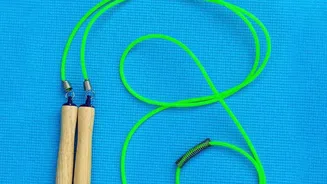
Skipping, or jumping rope, is a high-intensity workout packed into a short amount of time. If you're looking for efficiency, skipping is a clear winner. Studies have shown that just 10 minutes of jumping rope can offer similar cardiovascular benefits to 30 minutes of jogging. This is because skipping is a full-body workout. It engages your leg muscles, core, and even your arms and shoulders, all while improving your coordination, balance, and agility. The key to getting started is mastering the basic technique: small, low jumps on the balls of your feet, with knees slightly bent and rotation coming from the wrists, not the arms. This proper form is crucial not only for efficiency but also for minimising the risk of injury.
Head-to-Head: Calorie Burn
When it comes to burning calories, skipping has a significant edge. Due to its high intensity, jumping rope can burn two to three times more calories than walking in the same amount of time. For example, a 15-minute session of skipping could burn between 200 and 300 calories, while a 30-minute brisk walk might burn around 140 calories. This makes skipping a fantastic option for those with limited time who want to maximise their energy expenditure. However, it's important to remember that the best exercise for weight loss is one you can do consistently. While skipping burns more per minute, a longer, sustained walk also contributes significantly to a calorie deficit.
Head-to-Head: Impact on Joints
The primary difference here is impact. Walking is a low-impact exercise, placing minimal stress on your joints. Skipping, on the other hand, is considered a high-impact activity. Every jump involves landing with force, which can be tough on the knees, ankles, and hips, especially for beginners or those with pre-existing joint issues. However, learning proper skipping form—staying on the balls of your feet, keeping jumps low, and maintaining a slight bend in the knees—can significantly reduce this impact compared to running. Some research even suggests that the bone-loading nature of skipping may help improve bone density over time, but beginners must start slowly to allow their bodies to adapt.
Head-to-Head: Skill and Accessibility
Walking requires virtually no skill, making it universally accessible. Skipping has a steeper learning curve. For a beginner, mastering the coordination and timing can be frustrating. It involves getting the rhythm of turning the rope while performing the correct footwork, such as the basic two-footed bounce or the alternate-foot step. Initially, you might spend more time tripping over the rope than exercising. However, with practice, these skills become second nature. In terms of equipment, walking is cheaper, but a good quality jump rope is still a very affordable and portable piece of fitness equipment.
Which Is Right for You?
The choice between walking and skipping depends entirely on your fitness level, goals, and personal preferences. If you are new to exercise, have joint concerns, or prefer a less intense, more meditative activity, walking is the perfect foundation. It builds a solid base of fitness and habit. If your goals include high-intensity training, maximum calorie burn in minimal time, and improving coordination and athleticism, then learning to skip is a worthy challenge. You don't have to choose just one. Many successful fitness routines incorporate both. You could use walking as your primary form of cardio and add short bursts of skipping for an extra challenge. Or, start with walking to build endurance and then gradually introduce skipping as your fitness improves. The 'walk vs. skip' debate isn't about which is better overall, but which is better for you right now.