






We’ve all heard the 'drink eight glasses of water a day' rule. But is it accurate? The truth is, our hydration needs are not static. They change dramatically based on our environment, our health, and what we do from one hour to the next.
The Baseline: Why One-Size-Fits-All Fails
The idea of a single
daily water requirement is a myth because every person and every day is different. Your body is a dynamic system, constantly losing water through breathing, sweating, and urination. Factors like your age, body size, metabolism, and overall health create a unique baseline for what you need. Men, for instance, generally require more fluid than women due to larger body size and muscle mass. Similarly, older adults might have a diminished sense of thirst, making them more susceptible to dehydration without realising it. The popular 'eight glasses' advice is a decent starting point, but it fails to account for the biggest variable of all: your daily activities.
A Day at the Desk vs. A Day on Your Feet
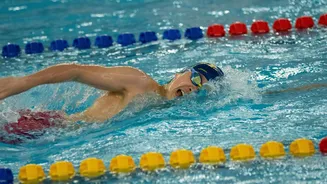
Consider a typical office worker versus someone with a physically demanding job. The sedentary individual loses water at a fairly predictable, low rate. However, for a person who is constantly moving, lifting, or walking, the body generates more heat, which it cools by sweating. This significantly increases fluid loss. The American College of Sports Medicine suggests adding extra fluid for every 30 minutes of exercise to compensate for sweat loss. Even a brisk walk or gardening can result in significant fluid loss. Therefore, while an office worker might feel fine with regular sipping, a more active person must consciously drink more to stay hydrated and maintain energy levels.
The Impact of Heat and Humidity
Climate is a powerful driver of hydration needs. In hot and humid weather, your body's primary cooling mechanism—sweat—works overtime. High humidity is particularly tricky because sweat doesn't evaporate easily from the skin, meaning your body struggles to cool down. It responds by producing even more sweat, accelerating fluid and electrolyte loss without providing much cooling relief. Someone living in a hot, humid climate will naturally need to drink more water than someone in a cool, dry environment just to get through a normal day. In high heat, you can lose 1-2 litres of sweat per hour. Thirst is not always a reliable indicator in these conditions; by the time you feel thirsty, you may already be dehydrated.
The Sneaky Dehydrator: Air Travel
Have you ever felt unusually tired or thirsty after a flight? That's airplane dehydration at work. The air inside a plane cabin is kept at a very low humidity, often between 10-20%, which is drier than the Sahara Desert. This extremely dry air pulls moisture from your body through your breath and skin without you even noticing. Over a long-haul flight, you can lose a significant amount of water just by breathing. This is why many people experience a dry throat, scratchy eyes, and fatigue after flying. Deliberately drinking water before and during your flight is crucial to counteract this effect and land feeling refreshed.
When Water Isn't Enough: The Role of Electrolytes
During intense exercise, prolonged heat exposure, or bouts of illness, you lose more than just water. Your sweat also contains essential minerals called electrolytes, like sodium, potassium, and magnesium. These minerals are crucial for maintaining fluid balance, nerve function, and muscle contractions. Drinking only plain water after significant sweat loss can dilute the remaining electrolytes in your body, which can be problematic. In these specific situations, a sports drink or an electrolyte supplement can be beneficial to replenish both fluids and lost minerals, helping to prevent muscle cramps and maintain performance. For most daily activities, however, water is the best choice for hydration.