








An Anxious Weather Watch
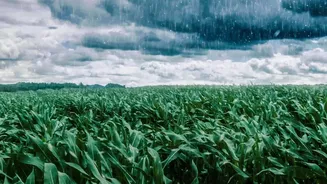
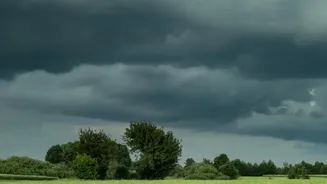
The Southwest monsoon is the lifeblood of India's agriculture, delivering about 70% of the country's annual rainfall. For 2026, the India Meteorological Department (IMD) has forecast a “below-normal” monsoon, the first such prediction in over a decade.
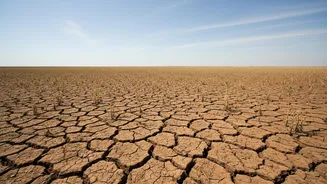
This forecast is largely influenced by the development of El Niño conditions, a Pacific Ocean weather pattern historically linked to weaker monsoons in India. The season started with a significant deficit, with June rainfall falling well short of the average. While July brought some relief with better showers in certain regions, the cumulative rainfall as of early August remains below the long-period average, leaving large parts of the country drier than usual. This uneven and deficient rainfall creates a direct challenge for the agricultural sector, which still heavily relies on seasonal rains.
The Kharif Sowing Challenge
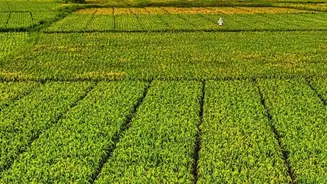
The timing and intensity of the monsoon are critical for the sowing of Kharif crops, which are planted during the rainy season. These include staples that form the backbone of India's food supply, such as rice, pulses (dal), soybeans, maize, and cotton. A delayed or weak monsoon directly impacts soil moisture, forcing farmers to postpone planting. Reports from August 2026 indicate that the sown area for several key Kharif crops is lagging behind last year's levels. The deficit is particularly concerning for rain-fed agricultural zones that lack access to extensive irrigation. A compressed sowing window and insufficient water during the crop's growth phase can lead to lower yields, meaning less produce makes it from the farm to the market.
From Fields to Your Kitchen Basket
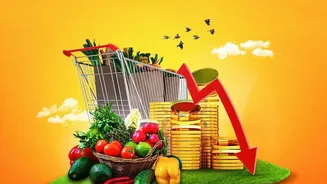
The most immediate and tangible impact of poor crop output is on food prices. When supply tightens, prices naturally tend to rise. Even before the full effects of the Kharif harvest are felt, this pressure is already visible. Retail food inflation has been climbing, hitting 5.52% in July 2026. The prices of several everyday essentials have started to surge. Pulses, a critical source of protein, are a key concern, with lagging acreage raising supply worries. The cost of vegetables like ginger and garlic, and even basics like coriander, has already shot up in various markets due to supply disruptions caused by erratic rains. While a weaker monsoon doesn't automatically mean every food item will become more expensive, it creates significant upward pressure on the most vulnerable categories: vegetables, pulses, and edible oils.
Government's Buffer and Response
The situation is serious, but India is better equipped to handle monsoon shocks than in the past. The government has a significant safety net in the form of massive buffer stocks of essential grains like rice and wheat. These reserves, maintained in the central pool, allow the government to release supplies into the open market to cool down any sharp price hikes in staples. However, this buffer is less effective for perishable items like vegetables. In response to the weak monsoon, authorities are actively monitoring the situation. The government has prepared contingency plans for over 300 vulnerable districts, advising farmers to plant alternative, less water-intensive crops like millets. Furthermore, market interventions, such as imposing stock limits on sugar, are being used to prevent hoarding and control prices.
The Broader Economic Picture
The ripples of a weak monsoon extend beyond the grocery store. Agriculture is a huge source of livelihood, and lower farm incomes can dampen rural demand for everything from tractors to fast-moving consumer goods. This slowdown in rural spending can affect overall economic growth. Meanwhile, rising food inflation is a major concern for the Reserve Bank of India (RBI). Food prices are a large component of the Consumer Price Index (CPI), the main measure of retail inflation. If food inflation remains high for a prolonged period, it could force the RBI to maintain a tight monetary policy, which means keeping interest rates higher for longer to control prices. This makes borrowing more expensive for both consumers and businesses, potentially acting as a brake on economic activity.