








The Unseen Contaminant in Your Kitchen
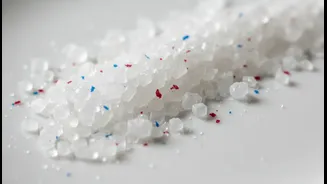
Microplastics are tiny plastic particles less than five millimeters long, and they are turning up everywhere, including in our food. A recent study by the Indian environmental organisation Toxics Link found microplastics in every single sample of salt
and sugar it tested from Indian markets, regardless of brand or whether it was packaged. The study revealed that packaged iodised salt contained some of the highest concentrations, with up to 89 pieces of microplastic per kilogram. These particles often appear as tiny fibres and fragments, originating from the breakdown of larger plastic items and making their way into the food chain and our kitchens.
From Packaging to Plate
While environmental pollution is a major source, food packaging itself is a key pathway for microplastics to enter our diet. Plastic containers, bottles, and wrapping films can shed particles directly into the food they are meant to protect. The process can be accelerated by heat, sunlight, and physical wear and tear on the packaging. This means that even when food is produced in a clean environment, the journey to your home in plastic packaging can introduce these contaminants. This direct migration of particles is a growing concern for food safety agencies worldwide, as it represents a consistent and direct route of ingestion for consumers.
A Murky but Worrisome Health Picture
The full impact of consuming microplastics is still being researched, but the initial findings are concerning. Scientists are worried about three main risks: the physical damage the particles could cause to tissues, the toxic chemicals like BPA and phthalates they carry, and the potential for them to trigger inflammation and disrupt bodily functions. Studies have found microplastics in human blood, lungs, and even the brain. Some research has suggested possible links between microplastic exposure and an increased risk of heart attacks, reproductive problems, and digestive health issues. While regulatory bodies like the FDA state that current evidence doesn't yet demonstrate a definitive risk to human health at detected levels, they continue to monitor the science closely due to these potential harms.
India's Regulatory Wake-Up Call
In response to these alarming findings, Indian authorities are taking action. The Food Safety and Standards Authority of India (FSSAI) has launched a project to study the prevalence of micro and nano-plastics as emerging food contaminants. This initiative aims to develop methods for detecting these particles and assess consumer exposure to inform new safety standards. Furthermore, India's National Green Tribunal (NGT) has acknowledged the serious health risks and called for stricter adherence to environmental rules, initiating its own study to see if enforcement policies need to be changed. These moves signal a significant shift, as regulators begin to grapple with a problem that was once invisible.
Rethinking the Future of Packaging
The microplastics alert is accelerating a broader review of food packaging rules. The FSSAI has already been working on strengthening regulations, proposing amendments to restrict harmful chemicals like BPA and PFAS (so-called "forever chemicals") in food-contact materials. In 2025, the FSSAI also released revised regulations that, for the first time, allow certain categories of recycled plastics in food packaging, but only if they meet strict safety and migration standards to prevent contamination. This is part of a larger push under India's Plastic Waste Management Rules, which aim to increase the use of recycled content and promote reusable packaging, forcing manufacturers to rethink their reliance on virgin, single-use plastics.