





More Than Just a Craving
For hundreds of millions across the Indian subcontinent, the monsoon isn't just a weather event; it's a season of profound relief and renewal. After months of scorching, oppressive summer heat, the rain brings life back to the parched landscape and a cool
respite to the people. This collective sigh of relief is something to be celebrated, and in India, celebration often means food. The connection between rain and snacks is deeply embedded in the cultural psyche. It’s a sensory experience that links taste, sound, and smell. The pitter-patter of rain on a tin roof is the perfect soundtrack for the sizzle of batter in hot oil. The cool, damp air makes the warmth of a spiced snack and a hot cup of tea feel like the most comforting thing in the world. It’s a tradition passed down through generations, a simple, accessible joy that transcends class and region. It’s about slowing down, gathering with family or friends, and savoring a moment of pure, unadulterated happiness.
The Undisputed Champions: Pakoras and Samosas
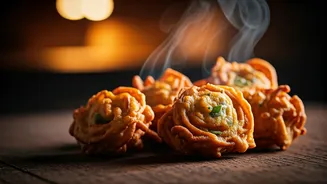
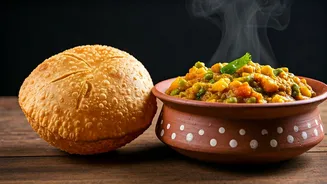
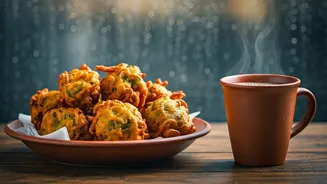
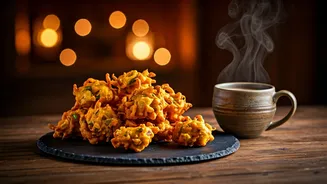
If there’s a king of rainy-day snacks, it’s the pakora. Known across the U.S. as fritters, pakoras are bite-sized morsels of vegetables—like onion, potato, spinach, or cauliflower—dipped in a spiced chickpea flour batter and deep-fried to golden perfection. They are crunchy on the outside, soft on the inside, and endlessly versatile. Every family has its own recipe, its own preferred level of spice. Eaten while still piping hot, often dipped in a tangy tamarind or spicy mint chutney, they are the textural and thermal opposite of the cool rain, creating a perfect and satisfying contrast. Running a close second is the mighty samosa. This triangular, flaky pastry filled with a savory mixture of spiced potatoes and peas is a year-round favorite, but it takes on special significance during the monsoon. The hearty, comforting filling and crispy shell make it a substantial and deeply satisfying treat to enjoy while watching the downpour. Like pakoras, they are a staple of street vendors and home kitchens alike, appearing as if by magic the moment the sky turns gray.
The Street-Side Star: Bhutta
As the first rains begin, another character emerges on the streets: the bhutta-wallah. These vendors, with their small pushcarts and portable charcoal grills, are masters of the monsoon snack. Bhutta is simply corn on the cob, but the preparation is an art form. The corn is roasted directly over hot coals, giving it a smoky, charred flavor that is impossible to replicate at home. Once cooked, the vendor rubs it down with a mixture of salt, chili powder (lal mirch), and a generous squeeze of lime juice. The combination of sweet, smoky, spicy, and tangy is an explosion of flavor that tastes exactly like the season itself. Huddling under a small umbrella, eating a hot cob of bhutta as the rain falls around you, is a core monsoon memory for many Indians.
The Perfect Partner: Masala Chai
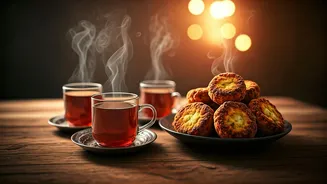
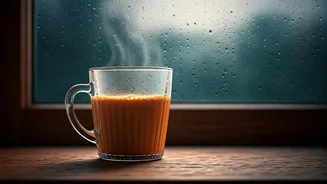
No rainy-day snack session is complete without its liquid counterpart: a steaming cup of masala chai. This is not the bland, vaguely spiced tea latte you might find at a coffee chain. Authentic masala chai is a robust brew of black tea, milk, and sugar, infused with a warming blend of spices like ginger, cardamom, cloves, and cinnamon. It’s boiled together in a pot until the flavors meld into a fragrant, potent concoction that warms you from the inside out. The ritual of preparing and drinking chai during a downpour is as important as the snacks themselves. The ginger provides a gentle heat, the cardamom a sweet fragrance, and the strong tea a welcome caffeine kick. It’s the soul-soothing beverage that cuts through the richness of the fried snacks and completes the holy trinity of monsoon indulgence: hot, crunchy, and comforting.