



A New Culinary Frontier
The cloud kitchen model, with its low setup costs and focus on delivery, has become the perfect launchpad for a new wave of food entrepreneurs. Freed from the financial burden of a traditional restaurant, these chefs are choosing to champion the food of their
heritage. This has opened up a direct channel from indigenous communities to the metropolitan dining table, introducing a diversity to 'Indian food' that goes far beyond butter chicken and biryani. City dwellers, increasingly adventurous and seeking authenticity, are eagerly exploring these new menus, discovering the robust, earthy, and unique tastes of tribal cuisines from Nagaland, Jharkhand, Meghalaya, and beyond.
From Nagaland to New Delhi
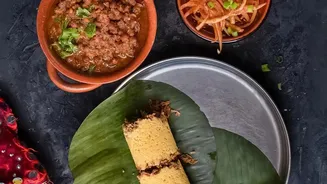
In Delhi, ventures like Yong's Kitchen, started by sisters Yongsen and Tiarenla Longkumer, are a testament to this trend. What began as a cloud kitchen in 2020 to serve Naga students during the lockdown has since blossomed, thanks to overwhelming demand from a wider audience. Their menu is a celebration of authentic Ao Naga flavours, featuring dishes like smoked pork with axone (fermented soybeans) and anishi (dried taro leaves). To ensure authenticity, many core ingredients like fermented bamboo shoots and Naga herbs are sourced directly from their hometown in Mokokchung, Nagaland. This commitment to tradition offers customers in the capital a true taste of their heritage, a culinary experience that is both bold and deeply rooted in the land.
The Taste of Jharkhand in Bangalore
This movement isn't confined to the north. In Bangalore, the flavours of Jharkhand are finding a new home. Cloud kitchens and small eateries are introducing dishes like Dhuska, a fried bread made from rice and lentils, often served with a spicy potato and chickpea curry. Entrepreneurs are creating platforms that serve as culinary havens, blending tradition with the accessibility of modern food delivery. These establishments are not just selling food; they are offering an 'unforgettable dining experience' that tells a story with every dish, reflecting the passion of the chefs and the rich culinary traditions of the state. For many, it's a taste of home, and for others, it's a delicious discovery.
More Than Just a Meal
This trend is about more than just satisfying hunger. It's a powerful form of cultural exchange and preservation. Entrepreneurs like Aruna Tirkey, founder of Ajam Emba in Ranchi, are leading a movement to promote tribal food culture. These initiatives are reviving recipes that were at risk of being forgotten and creating a new-found respect for indigenous ingredients and cooking techniques. By bringing tribal cuisines into the urban mainstream, these entrepreneurs are challenging stereotypes and fostering a deeper appreciation for the country's diverse cultural fabric. As Karen Yepthomi of Dzukou Tribal Kitchen notes, consumers are embracing new flavours and seeking deeper cultural connections through food, realising every dish tells a story.
Challenges and the Road Ahead
The path for these culinary pioneers is not without its hurdles. Sourcing authentic, indigenous ingredients from remote regions can be a significant logistical challenge. Building a customer base for unfamiliar cuisines requires education and smart marketing. Many entrepreneurs start small, often from their own homes, and scaling up requires capital and business acumen. However, the growing demand from curious and appreciative city customers suggests a bright future. The success of these ventures proves that there is a significant appetite for authenticity and a desire to connect with the diverse roots of Indian cuisine.