



Swap Your Second Chai for an Herbal Kadha
The urge for a hot, steaming beverage is constant during the rains. While your first cup of masala chai is non-negotiable, consider making the next one a herbal tea or 'kadha'. Spices like ginger, tulsi, black pepper, and cinnamon, staples in most Indian
kitchens, are known for their anti-inflammatory and antimicrobial properties. Ginger, in particular, is a powerful ingredient used in households to combat colds and sore throats. A simple tea made by boiling these spices not only provides warmth but also actively helps in boosting your immunity, which is crucial as infections are more common during this season. Unlike milky, sugary tea, a kadha hydrates and aids digestion without adding extra calories.
Embrace Warm, Cooked Soups
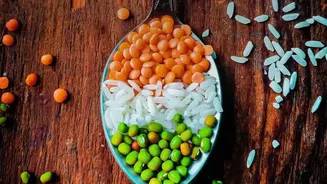
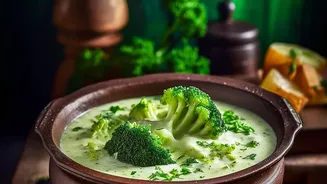
If it’s the warmth and comfort you seek, a bowl of soup is an excellent and nourishing choice. Traditional Ayurvedic wisdom for the monsoon season, or 'Varsha Ritu', recommends warm, light, and easy-to-digest meals because the body's digestive fire (Agni) is considered weaker. Soups fit this description perfectly. A simple moong dal soup, tomato rasam, or a mixed vegetable broth provides essential nutrients and hydration. Seasoning with digestive spices like cumin, coriander, and turmeric can further support your gut health and keep you energised. It’s a savoury, satisfying alternative to a plate of oily snacks.
Upgrade Your Pakora Game
No monsoon is complete without pakoras, but the deep-fried indulgence can feel heavy on a sluggish digestive system. Instead of forgoing them entirely, give them a healthy makeover. Try air-frying or baking your bhajiyas, which can reduce the oil content significantly while keeping the crunch. You can also make the batter more nutritious by using besan mixed with other flours like ragi or oats, and packing it with finely chopped vegetables like spinach, cabbage, or carrots. Another great option is to make Moong Dal Dosa (Pesarattu) or Besan Chilla, which are high in protein and require very little oil to cook.
Choose the Right Seasonal Fruits
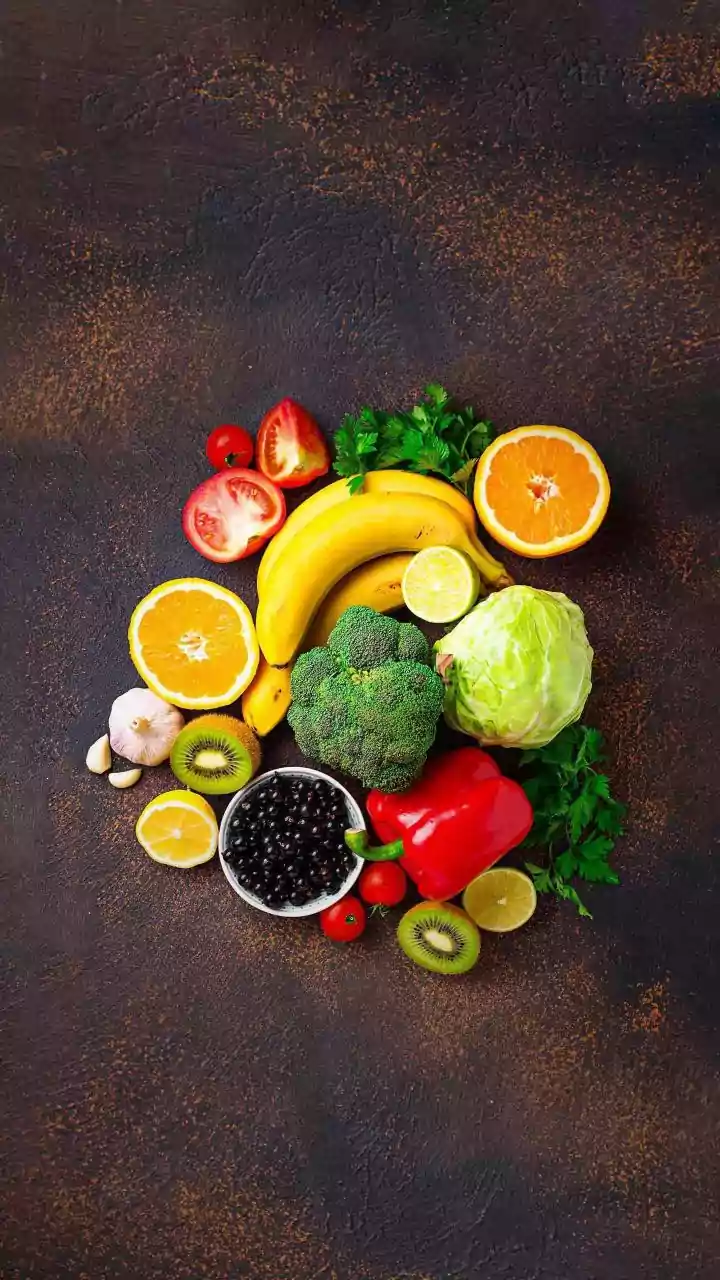
While raw salads are best avoided due to higher contamination risks in the monsoon, fruits are essential for their vitamin content. Focus on fruits with peels that you can wash thoroughly. Seasonal choices like pomegranates, apples, pears, and jamun are excellent. Amla, or Indian gooseberry, is a powerhouse of Vitamin C, containing significantly more than an orange, and is fantastic for strengthening your immune system. You can have a small amla juice shot with ginger and black salt. These fruits help your body produce white blood cells, which are your primary defense against seasonal infections.
Snack on Roasted Bhutta and Makhana
Street-side roasted corn, or bhutta, is a classic monsoon snack that is also healthy. Corn is a good source of fibre and antioxidants, which support gut health and protect your cells. Another fantastic crunchy snack is roasted makhana (fox nuts). Low in calories and high in protein, makhana can be roasted at home with a pinch of salt and your favourite spices. Both these options satisfy the craving for a savoury, crunchy snack without the excess oil and calories of deep-fried alternatives like samosas or kachoris.
Add Probiotics Like Curd and Buttermilk
Gut health is directly linked to strong immunity. During the monsoon, when digestive issues are common, incorporating probiotics is a smart move. A bowl of homemade curd (yoghurt) or a glass of spiced buttermilk (chaas) provides beneficial bacteria that protect the digestive system. According to Ayurveda, buttermilk with roasted cumin and mint is a classic drink to aid digestion. However, it's often recommended to consume curd during the day and avoid it at night during this season. This simple addition helps maintain a healthy gut flora, which is essential for fighting off harmful pathogens.