




Start with a Clean Slate
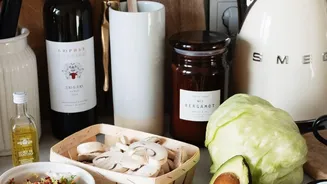
Before you plan your grand festive menu, the first step is to declutter. Tackling this a week or two before the festival can feel therapeutic. Empty your cabinets and pantry shelves one by one. Be ruthless: discard expired spices, donate utensils you haven't
used in a year, and get rid of chipped crockery. This isn't just about cleaning; it's about creating mental and physical space. A tidy kitchen is less overwhelming and helps you see exactly what you have, preventing duplicate purchases of that extra bottle of ghee or packet of besan.
Create Dedicated Kitchen Zones
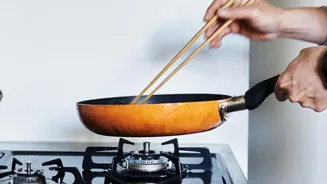
Professional kitchens run on efficiency, and you can apply the same logic at home by creating 'zones'. Group items by task, not by type. Designate a 'prep zone' near the sink with your chopping boards, knives, and mixing bowls. Keep your 'cooking zone' around the stove, with oils, daily spices, and spatulas within arm's reach. A 'cleaning zone' around the sink should house soaps and scrubbers. This workflow minimizes unnecessary movement, so you're not running across the kitchen for a spoon while the onions are frying. It's a simple change that streamlines the entire cooking process.
Take Stock and Plan Your Menu
Once your kitchen is organised, make a detailed inventory of your pantry, fridge, and freezer. Now, plan your festive menu around what you already have. This is the perfect time to adopt the 'First-In, First-Out' (FIFO) method used by restaurants. Move older ingredients to the front of your shelves and place new groceries at the back. This simple habit reduces food waste and ensures you're using ingredients at their freshest. With a clear plan and inventory, your grocery shopping becomes a targeted, efficient task rather than a frantic dash for forgotten items.
Embrace Make-Ahead Magic
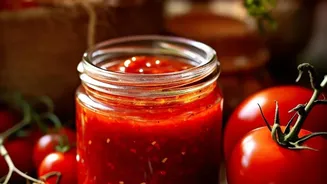
The secret to a stress-free festival day is doing as much as possible in advance. Many Indian festive dishes have components that can be prepared ahead of time. Chop onions, ginger, and garlic and store them in airtight containers in the fridge. Prepare tomato puree, tamarind chutney, or the dough for samosas or puris a day or two before. You can even form patties for tikkis or kababs and keep them ready for frying. This 'mise en place' approach means that on the main day, you're assembling and cooking, not starting every single task from scratch.
Optimise Your Storage
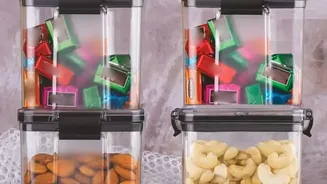
Good organisation is about making the most of your space. Invest in clear, stackable containers for your dals, spices, and grains. Labelling everything will save you precious minutes searching for ingredients. Use vertical space by adding shelf risers inside cabinets to double your storage for plates or bowls. A magnetic strip for knives or a wall-mounted spice rack can free up valuable counter and drawer space, keeping your work surfaces clear and ready for action. Think about how you use your fridge, too—keep frequently used items at the front and leftovers on a dedicated shelf to ensure they get eaten.
Set Up for Success on the Day
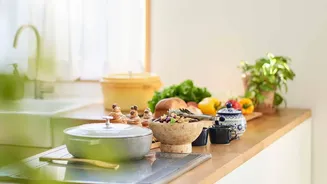
On the day of the festival, your organisation will truly pay off. Before you start cooking, arrange all your pre-prepped ingredients for each dish on trays or in bowls. This is your 'day of' action plan. Clear your countertops, keeping only the essentials out. Have your cooking utensils ready in a holder near the stove. This setup creates a calm, controlled environment. You'll be able to move from one dish to the next smoothly, with less mess and less stress, allowing you to focus on the joy of cooking for your loved ones.