





More Than Just a Screen
Before streaming services turned our living rooms into private theatres, the cinema hall was a crucial public square. In a society historically layered with social divisions, the darkened hall became a great equaliser. For the duration of a film, caste
and class distinctions faded, replaced by a unified audience brought together for a singular purpose: to be captivated by a story. This transformation of a diverse crowd into a temporary community is the foundational magic of the theatrical experience. It’s a dedicated space, away from the distractions of home, designed for immersion. The simple act of travelling to a theatre, buying a ticket, and finding your seat is a pilgrimage of sorts, preparing you to participate in a communal event that has been a cornerstone of Indian popular culture for over a century.
The Symphony of the Crowd
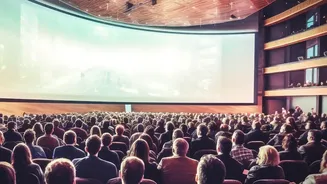
A Bollywood film in a packed theatre is never a silent experience. It is a vibrant, interactive symphony of human emotion. The audience is not a passive observer but an active participant. The collective gasp during a shocking twist, the eruption of laughter at a perfectly timed joke, the roar of approval for a hero's entry, and the spontaneous dancing in the aisles during a hit song are all parts of the performance. This audience participation is a tradition inherited from older forms of public entertainment like folk theatre. This vocal and physical engagement transforms the viewing from a personal act into a public celebration, amplifying every emotion. The feeling of hundreds of people sharing your joy or tension creates a powerful bond, making the memory of the film inseparable from the memory of the crowd.
First Day, First Show: A Cultural Phenomenon
The phrase 'First Day, First Show' (FDFS) is more than just a time slot; it's a cultural institution in India. It represents the pinnacle of fan devotion and the communal excitement surrounding a major release. For die-hard fans, securing an FDFS ticket is a matter of pride, a way to experience the film in its purest form before reviews and spoilers can shape their opinion. The atmosphere is electric, filled with a level of anticipation that borders on worship, especially for superstar-led films. This initial screening sets the tone for the film's journey, with the immediate, unfiltered reactions of the most passionate fans creating a buzz that can make or break a movie's initial momentum. It is the ultimate shared experience, a festival of fandom played out in cinema halls across the country.
The Irreplaceable Intermission
Unique to the Indian cinematic experience is the intermission, a structured break in the middle of the film. Far from being an interruption, it is an integral part of the social event. This pause allows for a collective debrief. Strangers discuss plot twists, predict the second half, and dissect performances over samosas and chai. It's a built-in social mixer that deepens the communal feeling of the outing. For filmmakers, the interval is a crucial narrative tool, often used to place a dramatic cliffhanger that sends audiences out into the lobby buzzing with speculation. This tradition, puzzling to some international visitors, is essential to the rhythm of Indian film-watching, providing a moment to both refuel and engage with the story on a different level.
The Streaming Contrast
The rise of Over-the-Top (OTT) platforms has undeniably changed how we consume content, offering unparalleled convenience and choice. You can watch what you want, when you want, in the comfort of your home. However, this convenience comes at the cost of community. Streaming is an inherently solitary or small-group activity. The grand spectacle of a film is reduced to a smaller screen, and the symphony of a crowd is replaced by silence or the commentary of a few. While OTT has made cinema more accessible, it has also atomised the experience. The cinema hall, by contrast, demands our collective presence. It insists that some stories are too big, too loud, and too emotionally resonant to be experienced alone, reminding us that the magic of movies is not just what's on screen, but who we watch it with.