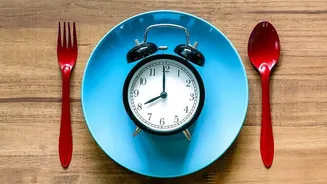







The Shift Worker's Health Dilemma
Working against the sun is a reality for a significant portion of India's workforce, from IT professionals and BPO staff to healthcare providers and factory workers. This schedule doesn't just disrupt social lives; it disrupts the body on a fundamental
level. Night shift work is linked to a higher risk of developing serious health conditions, including diabetes, heart disease, and obesity. Many workers experience more immediate issues like digestive distress, constant fatigue, and an overwhelming craving for sugary or fried foods late at night. This isn't a matter of willpower; it's a biological battle between your work schedule and your internal body clock.
Understanding Your Body's Internal Clock
Deep inside every person is a master timekeeper known as the circadian rhythm. This 24-hour cycle, orchestrated by a part of the brain, tells your body when to sleep, wake, release hormones, and, crucially, when to digest food. It’s not just in your brain; nearly every organ, including your pancreas, liver, and stomach, has its own clock, expecting to be active during the day and to rest at night. When you work overnight and eat meals at 2 a.m., you're forcing your digestive system into action when it's programmed to be winding down. This conflict is called circadian misalignment, and it's at the heart of the health problems many shift workers face.
Why Eating at Night Causes Trouble
Eating late at night sends confusing signals to your body. During the biological night, your body's production of melatonin increases to promote sleep, and insulin sensitivity decreases. This means your body is less efficient at processing sugar. Studies have shown that when shift workers eat at night, their blood sugar levels can rise significantly compared to when they eat the same meals during the day. One study found that night eating led to a 6.4% increase in average glucose levels, a clear risk factor for developing diabetes. This metabolic confusion can also affect blood pressure and cortisol levels, putting extra strain on your cardiovascular system.
The Solution: 'Daylight' Eating
The good news is that a powerful strategy called time-restricted eating (TRE), or 'daylight eating', can help. This doesn't mean you can only eat when the sun is out. For a shift worker, it means creating a consistent 8- to 10-hour window for all your meals that aligns with your personal 'daytime'—your period of wakefulness. By consolidating your eating into this window and fasting during your biological night (even if you're awake and working), you give your digestive system the predictable rest it needs. Research has shown that this simple change can prevent the blood sugar spikes associated with night work and improve other cardiometabolic risk factors.
Practical Steps to Realign Your Meals
Adopting this new pattern doesn't have to be complicated. The goal is to shift your main caloric intake away from the middle of your work shift. Think of your first meal after waking up as your 'dinner', even if it's at 4 p.m. This should be your largest, most balanced meal, rich in protein and complex carbs to provide sustained energy. During your shift, especially in the late hours after midnight, stick to water or, if necessary, very light, protein-rich snacks like a handful of nuts or roasted chana. Your final meal before going to sleep should be light and easy to digest, like a small bowl of dal or some curd. Planning and packing your meals ahead of time is crucial to avoid the temptation of vending machine snacks and unhealthy takeaway.