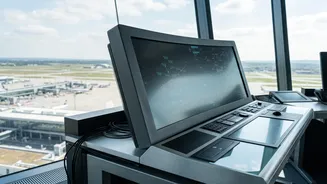

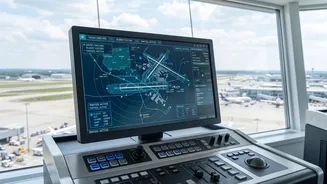


The silent, complex network that guides your flight is getting a crucial overhaul. The US is phasing out decades-old air traffic control technology, some of which still relies on floppy disks, in a massive push to build a safer and more efficient sky.
From Floppy Disks to Digital Displays
It might be hard to believe, but some components of the U.S. air traffic control (ATC) system have been running on technology from the 1980s. In early November 2026, the Federal Aviation Administration (FAA) officially began retiring these antiquated systems, including some that used floppy disks to share vital information like weather and flight alerts. The technology being phased out consists of four separate legacy information display systems that require manual processes and are difficult to maintain. For years, controllers have worked with a patchwork of systems where, according to one official, 'every facility is a silo', making instant information sharing a challenge. This long-overdue retirement is part of a broader, multi-billion dollar national project to modernize the entire air traffic infrastructure.
Introducing the Next Generation of ATC
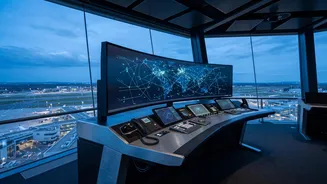
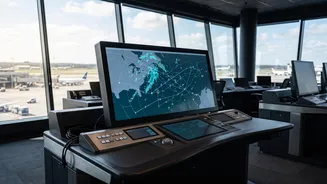
The replacement for these dated tools is a centralized platform called the Enterprise Information Display System, or E-IDS. Instead of separate screens and manual data entry for different types of information, E-IDS consolidates critical data—equipment status, weather disruptions, restricted airspace schedules, and pilot reports—into a single, unified display. This is a key component of a massive, long-running modernization program known as NextGen, which aims to shift the nation's ATC from a ground-based radar system to one centered on satellite navigation and digital communication. Another major upgrade is the Terminal Flight Data Manager (TFDM), which replaces paper flight strips with electronic versions, improving efficiency and data sharing between controllers, airlines, and airports. The goal is to give controllers a real-time, comprehensive view of everything happening in their airspace and on the ground.
What This Means for Your Flight
While the technical details are complex, the benefits for passengers are straightforward. A modernized system promises greater efficiency and safety. The move to satellite-based navigation allows for more direct and fuel-efficient flight paths, potentially shortening travel times and reducing carbon emissions. Better data sharing and predictive modeling tools help controllers and airlines manage traffic flow more effectively, which can lead to fewer delays, especially during bad weather or peak travel times. By providing controllers with better, faster information, the system enhances their ability to make timely decisions, which is a cornerstone of aviation safety. The new systems are designed to provide controllers with greater visibility and more information to make critical decisions.
A Long and Complex Rollout
Upgrading a system as vast and critical as the national airspace is a monumental task that has been in progress for years and has faced challenges. The NextGen program, which began in 2003, has been described as one of the most ambitious infrastructure projects in U.S. history, with costs estimated in the tens of billions of dollars. Implementation has been marked by delays and cost growth, with some capabilities being delivered later than initially planned. For instance, the new E_IDS system is scheduled to be installed in 435 facilities by the end of 2028. The deployment of TFDM has also experienced delays and a reduction in the number of airports receiving the upgrade, though it still targets the busiest hubs expected to yield the most benefits. Successfully implementing these changes requires not only installing new hardware and software but also extensive training for the controller workforce to adapt to new tools and procedures.