




A Land of Rich History and Biodiversity
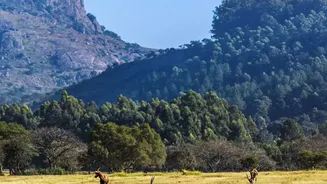
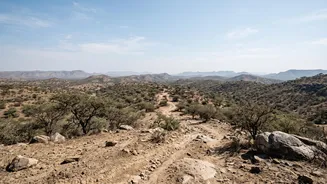
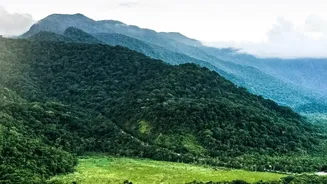
Established as a sanctuary in 1979, the Barda Wildlife Sanctuary spans over 192 square kilometres of hilly terrain in Gujarat's Porbandar and Devbhumi Dwarka districts. Historically, this land was a private reserve for the princely states of Jamnagar
and Porbandar. Today, it is home to ethnic communities like the Maldharis, Rabaris, and Gadhvis. The sanctuary boasts exceptional floral diversity, with around 650 species of plants, including valuable medicinal herbs. Its fauna is equally diverse, featuring leopards, hyenas, wild boars, blue bulls, and jackals, making it a significant ecological hub even before its new royal residents arrived.
The Lion's Second Kingdom
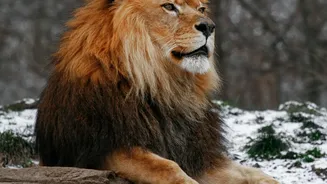
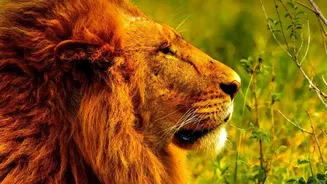
For decades, the world's entire wild population of Asiatic lions was confined to the Gir forest. This put the species at immense risk from disease outbreaks or natural disasters. To mitigate this, experts have long advocated for establishing a second, geographically separate population. As part of Project Lion, Barda was identified as the ideal candidate. Its terrain and vegetation are similar to Gir, and it is a historic habitat—lions roamed Barda until they disappeared from the area in 1879. The project officially began to take shape after a male lion naturally dispersed from Gir to Barda in January 2023, confirming the corridor's viability. Following this, several female lions were introduced to establish a new breeding population.
Preparing a New Home for Royalty
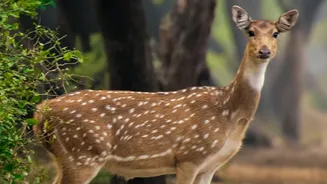
Making a new home for apex predators is a monumental task. The Gujarat Forest Department has been actively preparing Barda for its new inhabitants. A key focus has been augmenting the prey base. To ensure the lions have enough food, species like spotted deer (chital) and sambar have been translocated into the sanctuary. These efforts supplement the existing prey animals like wild pig and nilgai. Administrative changes have also been made, with the forest division restructured to improve management, patrolling, and conservation operations specifically geared towards protecting the lions.
A Balanced View: Challenges and Concerns
The translocation project is not without its challenges. One significant concern is Barda's carrying capacity. Some early reports suggested the sanctuary might only be able to sustain a smaller number of lions than the 40 initially proposed for translocation, raising questions about long-term viability. Another major hurdle is mitigating human-wildlife conflict. The sanctuary is surrounded by agricultural lands, and local Maldhari pastoralist communities live within it. Ensuring the safety of both humans and lions requires careful management, including community engagement and schemes for voluntary relocation to free up space and reduce biotic pressure. The close proximity to Gir also means a disease outbreak could potentially affect both populations.
The Future of Barda and Its Lions
Despite the challenges, the Barda project marks a historic milestone in wildlife conservation. Recent studies and tracking of the newly introduced radio-collared lions show that they are adapting well, establishing home ranges and relying primarily on wild prey. As of 2026, the population in Barda had grown, signalling early success. The sanctuary has also begun developing ecotourism, allowing visitors to experience this unique habitat and providing livelihoods for local communities. Proactive management focusing on habitat restoration and conflict mitigation will be essential to solidify Barda's role as a secure and enduring stronghold for the Asiatic lion.