
More Than Just a Festive Menu
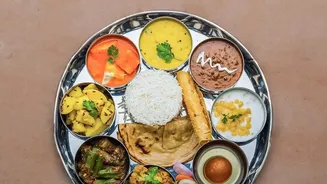
For generations, festival food meant special dishes prepared at home or enjoyed in community gatherings. In the restaurant world, it often translated to a special thali or a week-long promotion. Today, however, a new wave of culinary thinkers is elevating
this concept entirely. They are moving beyond simply serving festival dishes and are instead curating immersive experiences that channel the very essence of the celebrations. These are not just meals; they are narratives on a plate. Restaurants are transforming into culinary stages where the story of a festival—be it the harvest celebration of Onam or the luminous nights of Diwali—unfolds course by course. This shift marks a significant evolution in modern Indian dining, where the 'why' behind the food becomes as important as the taste itself.
A Hunger for Heritage and Authenticity
What is driving this trend? A collective craving for authenticity and connection. In a fast-paced, globalised world, there is a growing desire among diners, particularly younger generations, for experiences that feel real, grounded, and culturally significant. People are looking for more than just a meal; they want a story and a connection to their roots. Festivals, with their deep-seated traditions and emotional resonance, offer a rich wellspring of such stories. This trend of “edible nostalgia” sees chefs recreating flavours from their childhoods, but with refined, contemporary techniques. The appeal is powerful, resonating with both locals seeking a new way to connect with their culture and tourists eager for a deeper, more meaningful taste of India. Dining concepts built around these moments offer a sense of belonging and an experience that feels both personal and luxurious.
The Chef as a Cultural Storyteller
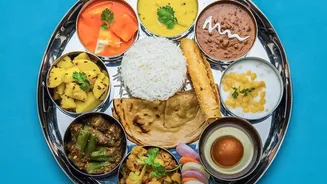
In this new landscape, chefs are taking on the role of cultural curators. They are artists and historians, using food as their medium. Look at Chef Regi Mathew, who has championed the preservation of Kerala's home-cooking recipes and is now bringing a 27-dish Onasadhya feast—the grand vegetarian meal for the harvest festival of Onam—to his restaurant. Similarly, restaurants like Indian Accent have built their reputation on reinterpreting nostalgic Indian flavours in a modern context, creating tasting menus that tell a story of India's diverse culinary map. At Mumbai's acclaimed Masque, the philosophy is 'wilderness-to-table,' with chefs foraging for forgotten ingredients from across the country to create seasonal menus that are a journey through India's terroir. These culinary leaders are not just cooking; they are researching, preserving, and reinventing heritage, making ancient traditions relevant for a contemporary audience.
The Business of Creating an Experience
Beyond the cultural drive, there is a savvy business logic at play. In a competitive hospitality market, unique, experience-led concepts are a powerful differentiator. A festival-themed tasting menu is not easily replicated. It offers exclusivity and a sense of occasion that justifies a premium price point. These dining events are often designed as limited-time engagements, creating a sense of urgency and buzz. Events like 'The Gathering' in Delhi, where celebrated chefs collaborate with artists to create immersive dining pop-ups, demonstrate that audiences are willing to pay for an extraordinary experience that will not be repeated. These concepts are also inherently visual and shareable, making them a natural fit for social media and contributing to their desirability. It is a strategic move from selling food to selling a memorable, multi-sensory event.