





Tyres: Your Only Grip on Slippery Roads
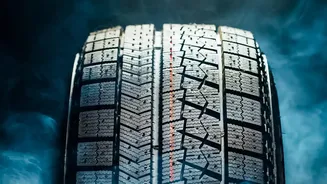
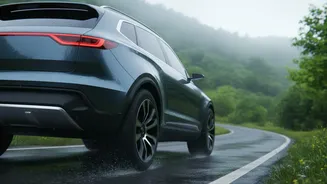
Your tyres are the single most critical safety component for monsoon driving. On wet, winding ghat roads, their role is magnified. The primary danger is hydroplaning, where a layer of water builds up between the tyre and the road, causing a complete loss
of steering and braking control. Proper tread depth is essential for preventing this. The grooves in your tyres are designed to channel water away, maintaining contact with the road surface. Before any trip, check that your tyre tread is well above the minimum recommended depth (at least 2-3mm). Also, ensure correct tyre pressure. Underinflated tyres can increase the risk of skidding, while overinflated ones reduce the contact patch, decreasing grip.
Brakes: Stopping Power When It Matters Most
Braking distance on wet roads can be two to three times longer than on dry surfaces. The steep inclines and declines of ghat roads put immense strain on your braking system. Water on brake pads and discs can significantly reduce their effectiveness. Before your journey, it's crucial to have your brakes inspected. Listen for any squeaking or grinding noises, which could indicate worn brake pads. If the brake pedal feels spongy or soft, it might mean your brake fluid has absorbed moisture and needs to be replaced. Ensuring your brakes are in perfect condition gives you the confidence to navigate steep descents and react to unexpected hazards safely.
Wipers and Windshield: A Clear View Ahead
Heavy rain and the spray from oncoming vehicles can reduce visibility to almost zero in seconds. Your wiper blades are non-negotiable for safety. Over time, especially after a harsh summer, wiper rubber becomes hard and cracked, leading to streaks and squeaks instead of a clean wipe. Test your wipers before you leave; if they leave any streaks or skip across the glass, replace them immediately. It’s a small, inexpensive fix that makes a world of difference. Also, top up your windshield washer fluid with a proper cleaning solution, not just water, to help cut through the oily grime that splashes up from wet roads.
Lights: See and Be Seen
In the low-visibility conditions of a rainy ghat night, your vehicle's lights are vital for both seeing the road and being seen by others. Trucks or other vehicles with non-functional tail-lights are a common hazard on Indian highways at night. Before you start, do a quick walk-around of your car. Check that your headlights (both low and high beam), tail lights, brake lights, and indicators are all working. Heavy rain can make you nearly invisible to others, so using your low beam headlights even during the day is a good practice. Clean headlight lenses are also important, as yellowed or foggy covers can reduce light output by a significant margin.
Battery and Electricals: The Heart of Your Car
The high humidity during the monsoon can accelerate battery corrosion and lead to electrical issues. A battery failure can leave you stranded in a remote location, which is especially dangerous on a ghat at night with potentially no mobile network. Ensure your battery terminals are clean and free of corrosion. It's also wise to check for any exposed wiring that could short-circuit when it comes into contact with water. If your battery is more than a few years old, have it tested to ensure it holds a proper charge. This simple check can prevent the headache and danger of a breakdown in the middle of a downpour.