


The Power of a Protein-Packed Start
Starting your day with a protein-rich meal is a game-changer for overall health and energy. A high-protein breakfast helps keep you feeling full and satisfied for longer, reducing mid-morning cravings for unhealthy snacks. It aids in stabilising blood
sugar levels, preventing the energy spikes and crashes often associated with carb-heavy meals. For vegetarians, getting enough protein in the first meal of the day is crucial for muscle health, metabolism, and sustained energy. Aiming for 15-20 grams of protein at breakfast can set a positive tone for the rest of your day's nutritional choices.
Paneer: The Ultimate Breakfast Hero
Paneer, or Indian cottage cheese, is a powerhouse of nutrition and one of the best egg-free protein sources for vegetarians. A 100-gram serving of full-fat paneer contains approximately 18 to 21 grams of high-quality, complete protein, which includes all nine essential amino acids. It is also an excellent source of calcium, which is vital for bone health. Unlike eggs, paneer is a slow-digesting protein due to its casein content, which provides a steady release of energy and promotes a feeling of fullness that can last for hours. Its mild, creamy flavour makes it incredibly versatile, able to absorb the spices and tastes of any dish it's added to.
The Classic Scramble: Paneer Bhurji
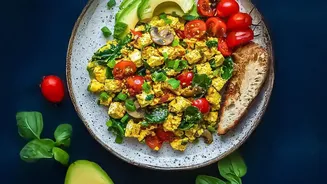
Paneer Bhurji is the perfect vegetarian answer to scrambled eggs. This flavourful dish involves crumbling paneer and sautéing it with onions, tomatoes, green chillies, and a blend of aromatic spices like turmeric and cumin. It's quick to make, taking only about ten minutes from start to finish. A 100-gram serving of paneer bhurji can deliver around 18-20 grams of protein. For a complete and balanced meal, you can add finely chopped vegetables like bell peppers, carrots, and peas to the scramble. Serve it hot with whole-wheat toast or a roti for a breakfast that is both satisfying and incredibly nutritious.
Hearty and Wholesome: Paneer Parathas
For a more traditional and substantial breakfast, paneer-stuffed parathas are an excellent choice. These flatbreads are filled with a mixture of grated paneer, chopped onions, fresh coriander, and spices. To boost the nutritional value, you can mix in finely grated vegetables like carrots or spinach into the filling. When made with whole-wheat flour, these parathas provide a good balance of protein, complex carbohydrates, and fibre. A single large paratha can be a filling meal on its own, perfect for days when you need sustained energy. Pair it with a side of plain curd or a tangy pickle to complete the experience.
Modern and Convenient: Paneer and Veggie Cutlets
Paneer cutlets or patties are a modern, versatile, and convenient breakfast option, especially for busy mornings or for packing in a tiffin box. To make them, combine grated paneer with mashed potatoes or sweet potatoes, finely chopped vegetables like peas and capsicum, and spices. Shape the mixture into patties and either shallow-fry, air-fry, or bake them for a healthier alternative to deep-frying. These cutlets are not only delicious but can also be prepared in advance. Make a batch over the weekend and simply reheat them for a quick and protein-rich breakfast during the week. They can be enjoyed on their own or with a side of green chutney.
Creative and Quick: Paneer in Poha or Uttapam
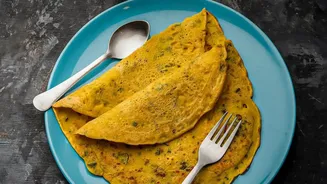
Incorporating paneer into other popular breakfast dishes is an easy way to boost their protein content. For instance, you can add small cubes of sautéed paneer to vegetable poha, a dish made from flattened rice flakes. This adds a creamy texture and a significant protein punch to the otherwise carb-focused dish. Another great idea is to top a savoury uttapam (a thick pancake made from dosa batter) with a generous amount of grated paneer and chopped vegetables like onions and carrots before cooking it. These simple additions can transform a standard breakfast into a more balanced and protein-rich meal.