


The Irresistible Allure of the Fry
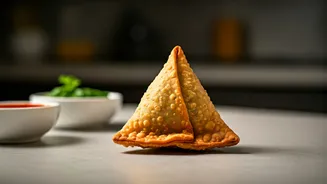
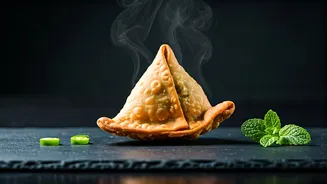
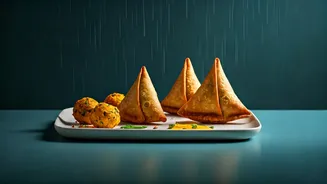
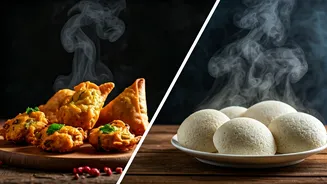
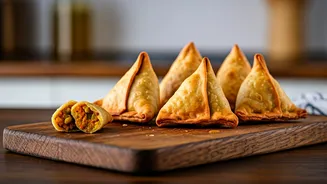
Let’s be honest: fried food is an experience. The magic lies in the violent, transformative power of hot oil. When a doughy pakora or a carefully folded samosa is submerged, a miracle happens. The exterior crisps up into a golden-brown armour, creating
that addictive, shattering crunch. This isn't just about taste; it’s about texture, sound, and a primal satisfaction that’s hard to replicate. This process, known as the Maillard reaction, creates hundreds of new flavour compounds that our brains are wired to love. Fried snacks are the life of the party. They are the centrepiece of festive platters, the go-to comfort food after a long day, and the currency of street food culture across India. From the crispy batata vada of Mumbai to the flaky kachoris of Rajasthan, they represent indulgence, spontaneity, and communal joy. They are, in a word, fun.
The Hidden Cost of the Crunch
But that glorious crunch comes at a price. Deep-frying is an act of addition. The food doesn't just cook; it absorbs a significant amount of the oil it’s swimming in, dramatically increasing its calorie and fat content. Depending on the food and the oil, this can introduce unhealthy trans fats, which are linked to a host of health issues. Furthermore, cooking starchy foods at very high temperatures can lead to the formation of acrylamide, a chemical compound that studies suggest may have long-term health risks. This isn't meant to be a scare tactic or to ruin your love for pakoras. It’s simply the science behind the sizzle. The occasional indulgence is one thing, but a diet heavily reliant on fried foods can contribute to weight gain, sluggishness, and other health concerns. The 'fun' has a comedown.
The Gentle Power of Steam
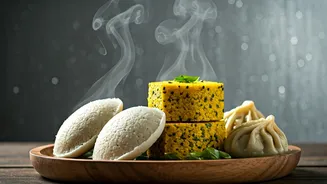
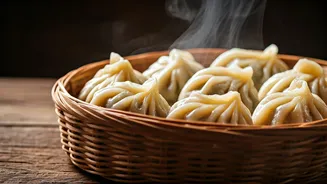
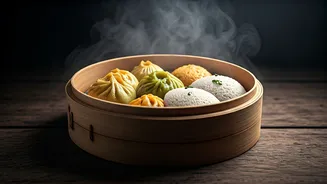
Enter the steamed snack, the quiet hero of the culinary world. If frying is a rock concert, steaming is a classical performance—subtle, elegant, and masterfully composed. Steaming cooks food with gentle, moist heat. Nothing is added, and very little is taken away. Unlike boiling, which can leach water-soluble vitamins like B and C into the water, steaming helps retain more of the food’s original nutrients. Think of a fluffy, white idli, a vibrant green patra, or a delicate, translucent momo. Their flavours are clean, direct, and true to their ingredients. They don't hide behind a wall of oil and salt. This method relies on the quality of the base ingredients—the fermented batter of a dhokla, the fresh vegetables inside a dumpling—to shine. They are light, easy to digest, and leave you feeling energised, not lethargic.
The Snack That Helps You 'Survive'
This is what the headline means by “survive better.” Steamed snacks are the fuel for the daily grind. They are the sensible breakfast that powers you through the morning, the light evening snack that won't disrupt your sleep, and the guilt-free bite when hunger strikes. They are inherently more sustainable for a regular diet. They support your body's functions rather than challenging them. For anyone managing their weight, digestion, or overall health, steamed snacks are not a compromise; they are a strategic advantage. They provide satisfaction and flavour without the metabolic toll of their fried counterparts. This is the food that helps you thrive day in and day out, not just on special occasions.
A Place for Both in Every Kitchen
The debate between fried and steamed isn't a battle for one to win. It’s about understanding context and embracing balance. The modern Indian palate is sophisticated enough to appreciate both the celebratory decadence of a perfectly fried bread pakora and the clean, wholesome goodness of a plate of dhokla. The choice isn't about 'good' versus 'bad' food, but about 'everyday' versus 'once in a while' food. Fried snacks are for moments of pure, unadulterated pleasure. Steamed snacks are for the moments that make up the rest of your life. A healthy relationship with food means making room for both: the fun and the functional, the party and the preparation. One for the soul, and one to help the body survive—and thrive.