
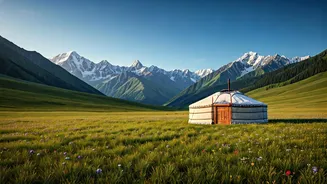



The Bhutan Paradox: Priceless and Pricey
For decades, Bhutan masterfully preserved its unique culture and pristine environment with a 'High-Value, Low-Volume' tourism model. This was enforced through a mandatory Sustainable Development Fee (SDF), a daily charge levied on tourists. While this
kept mass tourism at bay, it also placed the kingdom beyond the reach of many travellers, including those from neighbouring India who, before 2022, enjoyed fee-free entry. Post-pandemic, Bhutan revised its policies, initially introducing an SDF of ₹1,200 per day for Indian tourists. This reinforced its image as an exclusive, and expensive, destination. However, the narrative is now changing, driven by a desire to welcome more visitors in a sustainable way.
Introducing the New Cultural Eco-Trails
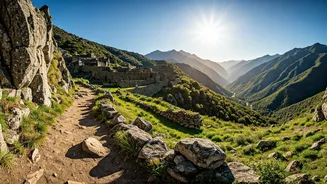
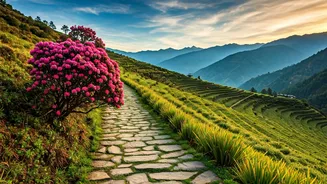
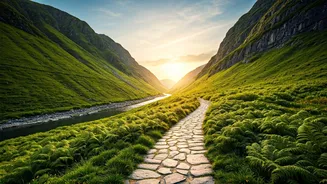
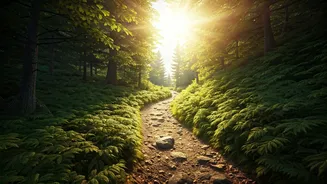
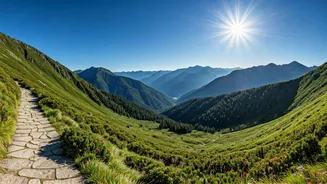
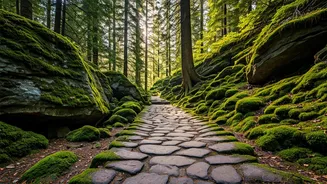
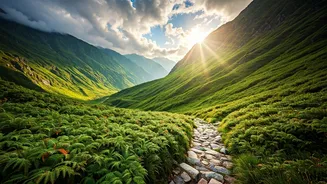
At the heart of this new approach are Bhutan's newly developed eco-trails. These are not just hiking paths; they are curated journeys designed to immerse travellers in the country's living culture and breathtaking landscapes. The trails wind through remote villages, ancient monasteries, and dense forests, offering a more authentic experience than the standard tourist circuit. Prominent among them is the revitalised 403-kilometre Trans Bhutan Trail, an ancient pathway that allows you to walk in the footsteps of royals, monks, and traders. Other trails focus on specific themes, such as mindfulness, local agriculture, or birdwatching. The goal is to move tourism beyond the hotspots of Paro, Thimphu, and Punakha, spreading its benefits to rural communities.
So, Is It Really a Budget Trip?
Here's where we get to the core of the 'budget' claim. In a significant policy update, Bhutan has offered a major incentive: tourists who pay the SDF for a set number of days can get additional days with the fee waived. For example, paying for four days might grant you four extra days for free. More importantly for Indian travellers, there are special programmes and designated zones where the SDF is waived entirely. The government is promoting travel to newly developed areas in southern Bhutan, like Gelephu, Samtse, and Phuentsholing, where Indian tourists can enter without the daily fee, provided they stay in government-certified hotels and use certified guides. So, while Bhutan is not suddenly a 'cheap' destination, these changes make it a 'smarter value' choice. You can now plan a longer, more immersive trip for the same cost, or visit specific regions with zero SDF.
What to Expect on the Trail
These eco-trails offer a different kind of travel. Instead of luxury hotels, you might find yourself in a cosy, family-run farm stay, sharing a meal cooked with fresh local produce. Accommodation is clean and comfortable, but the focus is on authenticity, not opulence. The trails are designed for various fitness levels, from gentle village walks to more strenuous multi-day treks. Along the way, you’ll interact directly with local artisans, farmers, and monks. This model ensures your travel spending directly supports the communities you visit. It’s an opportunity to see a side of Bhutan that few have experienced—one that is deeply connected to its land and people.
Planning Your Trip: Key Changes
For Indian travellers, the key is to plan smart. If you wish to visit the popular western regions like Paro and Thimphu, you will still need to pay the SDF of ₹1,200 per day. However, you can leverage the 'pay for X, get Y free' schemes for a longer trip. Alternatively, consider exploring the SDF-free southern belt. To avail the waiver, you must book your trip through a registered Bhutanese tour operator or stay in a Department of Tourism-certified hotel. This ensures you are contributing to the formal tourism economy. The entry process at land borders like Phuentsholing now requires pre-registration online, a change from the previous on-arrival permit system. Planning ahead is more crucial than ever.