





What Exactly Is a Digital Second Brain?
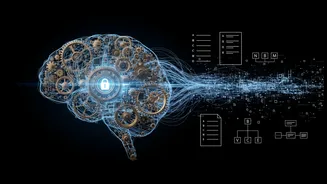
Forget the science-fiction imagery. A digital second brain isn't about implants or cyborgs. It's a practical method for managing your digital life. Popularized by productivity expert Tiago Forte, the concept involves creating an external, centralized
digital repository for the ideas, insights, and resources you encounter. Think of it as a personal knowledge management system—an external hard drive for your thoughts. Our brains are for having ideas, not for holding them. By offloading the job of remembering everything to a trusted digital system, you free up mental energy for what truly matters: creative thinking, problem-solving, and being present. It's a way to turn the chaos of information overload into an organized, searchable, and valuable personal archive.
How the System Works
A digital second brain is more than just a messy folder of bookmarked articles. It’s a structured process. Forte's widely adopted 'CODE' method provides a simple framework: Capture, Organize, Distill, and Express. First, you 'Capture' anything that resonates with you—a quote from a book, a link to an article, a random shower thought—into a single, trusted place. Next, you 'Organize' this information for action. Instead of complex, hard-to-maintain filing systems, this often involves simple categorization based on active projects or areas of responsibility. The 'Distill' phase is crucial; it's about identifying the core essence of your notes. You highlight key passages and summarize the main points for your future self. Finally, 'Express' is about using your collected knowledge. This is where the system pays dividends, helping you create presentations, write articles, or develop new business strategies using the building blocks you’ve saved over time.
The Tangible Benefits for Professionals
Adopting this system isn't just an organizational exercise; it has concrete professional advantages. One of the biggest benefits is a significant reduction in stress and anxiety. Knowing that every important piece of information is safely stored and easily retrievable provides peace of mind. It also acts as a creativity engine. By connecting ideas from different domains—a concept from a history podcast might spark a solution to a marketing problem—the system helps you generate novel insights you might have otherwise missed. Productivity sees a major boost as well. Less time is spent searching for that one specific file or statistic you know you saw somewhere. Everything you've learned or thought about is at your fingertips, ready to be deployed. This allows you to build on previous work instead of constantly starting from scratch.
Choosing Your Tools
The market for second brain apps has exploded, with tools catering to different organizational styles. Apps like Notion, Evernote, and Microsoft Loop are popular choices, offering structured databases, flexible note-taking, and collaborative features. For those who prefer a more visual, interconnected way of thinking, graph-based tools like Obsidian or Roam Research allow you to create a web of linked notes. More recently, AI has begun to play a larger role, with apps that can automatically summarize, tag, and even retrieve information based on conversational questions. However, experts caution against getting too caught up in finding the 'perfect' tool. The system is more important than the software. The best app is the one you will consistently use.
Is It Worth the Effort?
While the benefits are compelling, building a second brain is not a magic bullet. One of the most common pitfalls is turning the system itself into a form of procrastination. It's easy to spend more time perfecting your digital filing system than doing actual work. There's also the risk of becoming a digital hoarder, capturing information so indiscriminately that the system becomes as overwhelming as the problem it was meant to solve. Critics also point out that over-reliance on an external system can weaken our biological memory, a phenomenon known as the 'Google effect'. The key is intentionality. A second brain should be a support for your thinking, not a replacement for it. It requires discipline to maintain, but for many busy professionals, the initial investment of time pays off handsomely in long-term clarity and productivity.