







The Pressure for Peak Performance
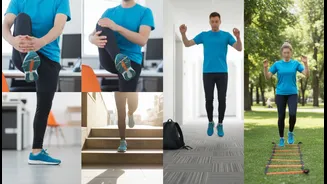
Modern fitness culture often feels like a competition. We are bombarded with images of high-intensity interval training (HIIT), marathon runners, and grueling gym sessions. The message is clear: to be healthy, you must push your body to its absolute limit.
This all-or-nothing mentality can be incredibly intimidating, especially for beginners or those returning to exercise after a long break. It can create a barrier, making the very idea of starting feel overwhelming. The fear of not being able to keep up, or the belief that anything less than a sweat-drenched hour is a waste of time, causes many to simply do nothing at all. But the science tells a different, more encouraging story. The path to better health doesn't always have to be a sprint; sometimes, a gentle walk is not just enough, it's actually better.
The Science of a Simple Stroll
One of the most powerful benefits of a gentle walk, particularly after a meal like lunch, is its effect on blood sugar. When you eat, the carbohydrates are broken down into glucose, which enters your bloodstream. A short walk helps your muscles use this glucose for energy, preventing sharp spikes in blood sugar. Studies have shown that even a 10 to 15-minute walk after eating can significantly improve glycemic control, which is crucial for managing and preventing conditions like prediabetes and type 2 diabetes. In fact, some research suggests a brief walk after each main meal can be more effective at regulating daily blood glucose levels than a single 30-minute walk at another time of day. This gentle activity also aids digestion, supports heart health by improving blood pressure, and contributes to better long-term metabolic health without the intense strain of a high-impact workout.
More Than Just Physical
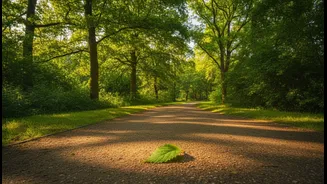
The benefits of an afternoon walk extend far beyond the physical. A short, 10- or 15-minute stroll is a powerful tool for mental well-being. Physical activity triggers the release of endorphins, the brain's natural mood-lifters. Stepping away from your desk or home and into a different environment can help clear your head, reduce feelings of stress and anxiety, and combat the dreaded afternoon slump more effectively than a cup of coffee. Research has found that even a 12-minute walk can increase happiness, attentiveness, and confidence. It provides a moment of mindfulness, a chance to disconnect from work and digital distractions, and can even boost creativity. Getting out in nature, even just a local park, can be particularly restorative for your mental resources.
Defining a 'Gentle' Walk
So, what exactly constitutes a 'gentle' or 'light-intensity' walk? The goal isn't to break a speed record. The key is to move at a pace where you can comfortably hold a conversation. You should notice a slight increase in your breathing and heart rate, but you shouldn't be out of breath. This type of low-impact exercise is easier on the joints, making it a safe and accessible option for people of all fitness levels, including beginners or those with injuries. As for duration, you don't need to block out an hour. Starting with just 10-15 minutes is incredibly effective. The most important factor is consistency. A short, daily walk is far more beneficial than one long, strenuous workout session once a week. The idea is to build a sustainable habit that feels good.
Making It a Lasting Habit
The simplicity of walking is its greatest strength. To make it a part of your routine, start small. If you work in an office, use part of your lunch break. Instead of scrolling through your phone after eating, step outside for a quick loop around the block. If you're at home, a stroll around your neighbourhood can break up the day. To stay motivated, consider walking with a friend, family member, or colleague. This adds a social element and provides accountability. Listening to a podcast or your favourite music can also make the time fly by. The key is to remove barriers and make it as easy as possible. Don't worry about special gear; a comfortable pair of shoes is all you need to begin. Treat it as an appointment in your calendar and celebrate the consistency, not just the intensity.